
Goa, Unrushed: A Story-Driven Travel Guide to Beaches, Backroads, Food, and Quiet Magic
You don’t arrive in Goa so much as exhale into it. The air changes first—salt and frangipani, charcoal from a beachside grill, damp earth after a short tropical shower. Then the pace shifts. Clocks still tick, but nobody seems in a hurry to obey them. And that’s the invitation Goa keeps offering, again and again: slow down, look closer, choose your own coastline.
Maybe you’ve come for the famous beaches and night markets. Maybe you’re chasing a week of yoga and early mornings. Maybe you want hidden coves, forest waterfalls, or a plate of fish thali so fresh it tastes like the sea itself. Whatever your version of Goa is, this Goa travel guide is built to help you find it—not the postcard version, but the one that fits you.
Let’s wander.
Table of Contents
How to Think About Goa (Before You Start Booking Things)
Goa is small on the map, but it opens up like a novel with multiple storylines. Most first-timers picture one long beach party. In reality, Goa is a mosaic of moods—and where you stay matters more here than almost anywhere else in India.
North Goa: Energy, Beach-Hopping, Nightlife, and Markets
North Goa is where the soundtrack is loud and the beaches are social. Expect busy sands, late nights, beach clubs, rooftop cocktails, flea markets, and easy day trips between beaches.
Think: Candolim, Calangute, Baga, Anjuna, Vagator, Morjim, Ashwem, Mandrem, Arambol.
South Goa: Calm Shores, Long Walks, and Slow Evenings
South Goa feels like a deeper breath. The beaches are wider, quieter, and framed by palms and sleepy villages. Nights are gentler—fires on the sand, live music in small bars, seafood dinners that run long.
Think: Utorda, Majorda, Colva, Benaulim, Varca, Cavelossim, Agonda, Palolem, Patnem, Galgibaga.
Panaji & Central Goa: Culture, Cafés, Rivers, and Heritage Walks
Panaji (Panjim) is Goa’s capital and its most walkable city. You’ll find pastel lanes, old verandas, art cafés, and a different kind of nightlife—Goa’s tavern culture, small bars full of stories. Central Goa also holds Old Goa’s world-famous churches and river islands.
The Hinterland: Forests, Waterfalls, Temples, Spice Farms
Step away from the coast and Goa turns green and hilly fast. Here: spice plantations, temple towns, wildlife sanctuaries, monsoon waterfalls, quiet lakes, and tiny villages where time feels folded in half
How to Think About Goa (Before You Start Booking Things)
Goa is small on the map, but it opens up like a novel with multiple storylines. Most first-timers picture one long beach party. In reality, Goa is a mosaic of moods—and where you stay matters more here than almost anywhere else in India.
North Goa: Energy, Beach-Hopping, Nightlife, and Markets
North Goa is where the soundtrack is loud and the beaches are social. Expect busy sands, late nights, beach clubs, rooftop cocktails, flea markets, and easy day trips between beaches.
Think: Candolim, Calangute, Baga, Anjuna, Vagator, Morjim, Ashwem, Mandrem, Arambol.
South Goa: Calm Shores, Long Walks, and Slow Evenings
South Goa feels like a deeper breath. The beaches are wider, quieter, and framed by palms and sleepy villages. Nights are gentler—fires on the sand, live music in small bars, seafood dinners that run long.
Think: Utorda, Majorda, Colva, Benaulim, Varca, Cavelossim, Agonda, Palolem, Patnem, Galgibaga.
Panaji & Central Goa: Culture, Cafés, Rivers, and Heritage Walks
Panaji (Panjim) is Goa’s capital and its most walkable city. You’ll find pastel lanes, old verandas, art cafés, and a different kind of nightlife—Goa’s tavern culture, small bars full of stories. Central Goa also holds Old Goa’s world-famous churches and river islands.
The Hinterland: Forests, Waterfalls, Temples, Spice Farms
Step away from the coast and Goa turns green and hilly fast. Here: spice plantations, temple towns, wildlife sanctuaries, monsoon waterfalls, quiet lakes, and tiny villages where time feels folded in half.
Best Time to Visit Goa (And What Each Season Feels Like)
Goa doesn’t have a single “best” season—it has a best season for your kind of trip.
November to February: Peak Season, Clear Skies, Big Buzz
Days are sunny without being brutal. Nights are cool enough for beach walks. This is prime for swimming, diving, festivals, and nightlife. Prices jump in late December and early January.
March to May: Hot, Bright, and Great for Quiet Beach Days
The sun gets intense, especially midday. But the sea is calm, the sunsets are spectacular, and if you love uncrowded beaches and pool time, this is a sweet spot.
June to September: Monsoon Goa, Wild Green and Dramatically Beautiful
The coast turns moody—rain hitting the sea like a drumbeat, palms whipping in wind, rivers swelling, waterfalls roaring. Many shacks close and swimming can be unsafe due to currents. But if you want Goa without crowds, this season is a love story.
October and Early November: Post-Monsoon Freshness
Everything looks newly washed; the countryside is lush and bright. It’s a great shoulder season—warm water, fewer people, lower prices.
Getting to Goa + Getting Around Like You Actually Live Here
Arriving by Air
Goa has two airports:
- Manohar International Airport (GOX) at Mopa in North Goa—most newer flights land here now, especially for North Goa stays.
- Goa International Airport (Dabolim, GOI) closer to South Goa and Panaji.
When booking, check which airport you’re landing at. A “Goa airport pickup” can mean two very different drives.
Arriving by Train
If you like slow travel or you’re coming from Mumbai, Karnataka, or Kerala, the Konkan Railway line is stunning. Major stations:
- Madgaon (Margao) for South Goa
- Thivim for North Goa
- Karmali for Panaji/Old Goa
- Vasco-da-Gama near Dabolim
Getting Around Goa
This is where Goa trips are won or lost.
Scooters and Motorbikes
The classic Goa move. Great for beach-hopping and village detours.
Tips you’ll thank yourself for later:
- Photograph the scooter from all angles before you roll out.
- Wear a helmet (fines are real).
- Avoid night rides on unfamiliar village roads.
Self-Drive Cars
Perfect if you’re with family, want AC, or plan inland day trips. Goa’s roads vary from smooth highways to narrow coconut-lined lanes with cows who don’t negotiate.
Taxis and App Cabs
Taxi prices can be high in peak season, and bargaining is part of the game. GoaMiles (local app) is the most useful for regulated fares where available.
Local Buses
Cheap, frequent, and surprisingly useful for longer hops between towns. Not ideal late at night.
Ferries
Short ferry rides across rivers are a Goa essential—cheap, scenic, and a mini adventure. They connect Panaji to Divar and Chorao islands, and link smaller communities along the Mandovi,
North Goa: Beaches, Cliffs, Markets, and Nights That Stretch
If this is your first visit, North Goa is often the easiest place to start. The beaches line up like chapters—each with its own personality.
Candolim & Sinquerim: The “Easy Start” Beaches
Candolim is where North Goa feels polished but not chaotic. Walk the long beach in the morning, then drift toward Sinquerim where the sand narrows into a dramatic headland.

Don’t miss:
- Fort Aguada rising above the sea. The fort walls catch golden light in late afternoon, and the lighthouse views are postcard-level.
- Sunset on the ramparts—arrive early and watch the sea turn copper.
Candolim is also a great base if you want a balance: access to nightlife, but a beach that still lets you read a book without someone stepping on it.
Calangute & Baga: Big-Beach Goa

Calangute is busy, central, and full of activity. Baga, just north, is its louder sibling, famous for nightclubs and shacks that turn into dance floors after dark.
Go here for:
- Parasailing, jet skis, banana rides, flyboarding
- Big, social beach energy
- Late-night diners and clubbing
Go early if you want calmer water and fewer vendors. By afternoon, Baga becomes a carnival.
Anjuna: A Classic That Keeps Reinventing Itself
Anjuna still carries a free-spirited edge, especially on market days. It’s not a “best swimming beach,” but it’s a great place to spend a day wandering.
Anjuna Flea Market (typically Wednesdays in season) is the kind of place where you go to buy nothing and leave with a woven bag, silver rings, a hand-painted scarf, and a story.
Stay for sunset at the shacks above the sand—music softens, the sky blushes, and everyone looks briefly kinder.
Vagator & Ozran: Cliffs, Coves, and Late-Afternoon Light
Vagator opens into wide red-sand stretches hugged by cliffs. Walk to Ozran (Little Vagator), a smaller cove with a different crowd—less family picnic, more sunset seekers.
Do this:
- Climb up to Chapora Fort in late afternoon.
You don’t go for the fort itself, really—you go for that view of the river meeting the sea and the coastline stretching like a ribbon.
Morjim, Ashwem, Mandrem: North Goa’s Soft Side
These beaches are where North Goa starts whispering. Morjim is known for its wide sands and birdlife, Ashwem for boutique stays, Mandrem for soft waves and long walks.
In nesting season, parts of Morjim and nearby beaches are protected for Olive Ridley turtles. You’ll see fenced zones and low-light rules. The right response is simple: give them space. Walk softly, keep lights low, and don’t chase photos.
Arambol: The North’s Wild Heart

Arambol is a beach town with a village soul. There are backpackers, artists, families, and long-stay travelers who arrived for a week and forgot to leave.
What to do:
- Walk to the sweetwater lake behind the beach. It doesn’t look like much until you swim in it after a salty ocean dip.
- Explore the banyan tree valley inland—little cafés, drum circles, occasional paragliders launching from the ridges.
- Catch a sunset from the rocky northern end near Keri.
Arambol is not manicured. It’s alive. If you like your travel slightly messy and full of surprises, you’ll love it.
Siolim & the Backwater Edge
Between beaches, North Goa hides lazy river worlds—Siolim, Chapora river bends, mangroves, and quiet lanes where fishermen mend nets in shade.
Book a kayak or SUP session at sunrise. The water is glassy, kingfishers flash blue, and you’ll understand why Goa is more than its shoreline
Panaji & Central Goa: Pastel Streets, River Life, and Heritage Without the Queue
Panaji (Panjim): Goa’s Most Human-Scale City
Panaji doesn’t grab you loudly. It charms slowly. Start your morning at a riverside café and walk.
Fontainhas, Panaji’s Latin Quarter, is a neighborhood of narrow lanes, tiled roofs, and houses painted in sun-washed colors—mustard, mint, coral, sky-blue. Wander without GPS. You’ll bump into tiny chapels, art galleries, bakeries, and verandas where someone’s grandparent still waters plants at 6 p.m. sharp.
Best way to see it?
A guided walk is worth it here because the stories are half the magic. Even if you go solo, pause to look up—balconies, ceramic nameplates, azulejo tiles.
Other Panaji stops:
- Miramar Beach for a gentle sunset walk
- Dona Paula viewpoint for river-sea drama
- Municipal Market early morning for fruit, spices, and the rhythm of daily life
- Tavernas (traditional Goan bars) in the evening—order a small plate of chorizo pão, maybe a feni cocktail, and let conversations drift.
Old Goa: The Church Circuit (Follow Your Curiosity, Not a Checklist)
Old Goa is a short drive from Panaji and feels like stepping into a quiet monumental zone. Even if you’re not a “church person,” the scale and detail are worth your time.
Key highlights:
- Basilica of Bom Jesus
- Sé Cathedral
- Church of St. Cajetan
Go in the morning to avoid heat and tour buses. Dress modestly and move slowly—these are living places of worship, not sets.
Divar & Chorao Islands: River Goa
Take the ferry from Panaji and suddenly the city feels far away. On Divar Island, tiny villages sit among paddy fields, churches, and winding lanes with no hurry. Rent a bicycle, stop for coconut water, and watch kids play cricket on open grounds.
On Chorao Island, the Dr. Salim Ali Bird Sanctuary is a mangrove maze. Go early or late afternoon, preferably with a local boatman guiding you through narrow green channels where egrets and kingfishers sit like ornaments.
Mandovi Cruises & Floating Nights
Even if you skip casinos, a sunset cruise on the Mandovi River is a beautiful way to see Goa’s softer light. Boats drift past Panaji’s waterfront, under bridges, toward open river.
Some cruises are dinner-and-music affairs. Others are quiet. Pick the mood you want.
South Goa: Long Sands, Sea Quiet, and Villages That Still Feel Themselves
South Goa is for travelers who like mornings more than midnights—or who want both, but separately.
Utorda, Majorda, and Colva: The Central South Coast
These beaches are wide, sandy, and easy.
- Utorda & Majorda feel calm, with breezy shacks and clean shorelines.
- Colva is more built-up and social, especially on weekends.
Colva has a cheerful local energy—families, beach football, vendors selling bebinca slices. It’s also a good base if you want to explore further south by scooter.
Benaulim, Varca & Cavelossim: The “Just Right” Belt
This stretch is a favorite for repeat visitors because it balances comfort and quiet.
Expect beach walks, dolphin-spotting trips, and evenings that end with barefoot dinners under fairy lights.
Cavelossim’s river-sea boundary makes for lovely kayak outings—you can paddle from calm river to open shoreline in one trip.
Betul, Mobor & the River Mouth
Betul is a sleepy village with a beach that feels almost secret compared to the north. The Sal River meets the sea here, and the light at golden hour is unreal.
If you want a day that’s mostly quiet, this is where you come.
Cabo de Rama: A Fort for People Who Like Dramatic Landscapes
On a forested headland, Cabo de Rama Fort looks out over cliffs and an endless horizon. It isn’t crowded, and that’s part of its power.
Go for late afternoon. Sit. Watch fishing boats trace the water below. This is Goa at its most contemplative.
Agonda: Where the Beach Feels Like a Retreat
Agonda is a long crescent of soft sand and gentle waves. It’s also one of Goa’s protected turtle nesting zones in season, so the vibe stays careful and quiet.
If you’re looking for a beach where you can:
- wake up early,
- do yoga,
- read all afternoon,
- and still walk to dinner barefoot,
Agonda might be your place.
Palolem, Patnem & Rajbag: The South’s Social Heart
Palolem is a bowl-shaped beach with palm-framed corners and calm waters. It’s busy but still beautiful.
Do this in Palolem:
- Kayak at sunrise when the bay is still
- Walk to the northern end for quieter sand
- Take a boat to Butterfly Beach if the sea is calm
- Spend an evening in one of the smaller live-music bars rather than the loudest spot you see first
Patnem nearby is the calmer cousin—same beauty, fewer people. Rajbag is quieter still.
Galgibaga, Talpona & Polem: The Far South Trail
If you want the “end of Goa” feeling, head south past Palolem.
- Galgibaga (Turtle Beach) is protected, clean, and hushed.
- Talpona is where a river kisses the sea, great for birdwatching and lazy hours.
- Polem is Goa’s southernmost beach, fringed with fishing boats and a kind of silence that feels earned
Inland Goa: Spice-Scented Roads, Waterfalls, and Forest Paths
Ponda’s Spice Plantations
In Ponda, Goa’s agricultural heart, you’ll find spice farms that are both sensory and delicious. These are not sterile exhibits. They’re living forests of nutmeg, cinnamon, pepper vines, cardamom, turmeric, bananas, areca palms.
Most plantation visits include:
- a guided walk,
- explanations about spices and medicinal plants,
- and a traditional Goan lunch served on banana leaves.
Go hungry.
The Temple Loop
Goa’s Hindu temples are peaceful, artful, and woven into daily life.
Key temples in the Ponda belt:
- Shri Mangeshi Temple
- Shantadurga Temple
- Mahalsa Temple
Further south in the forest, Tambdi Surla Temple sits quietly near Mollem—stone, old, and surrounded by green. Pair it with a forest walk.
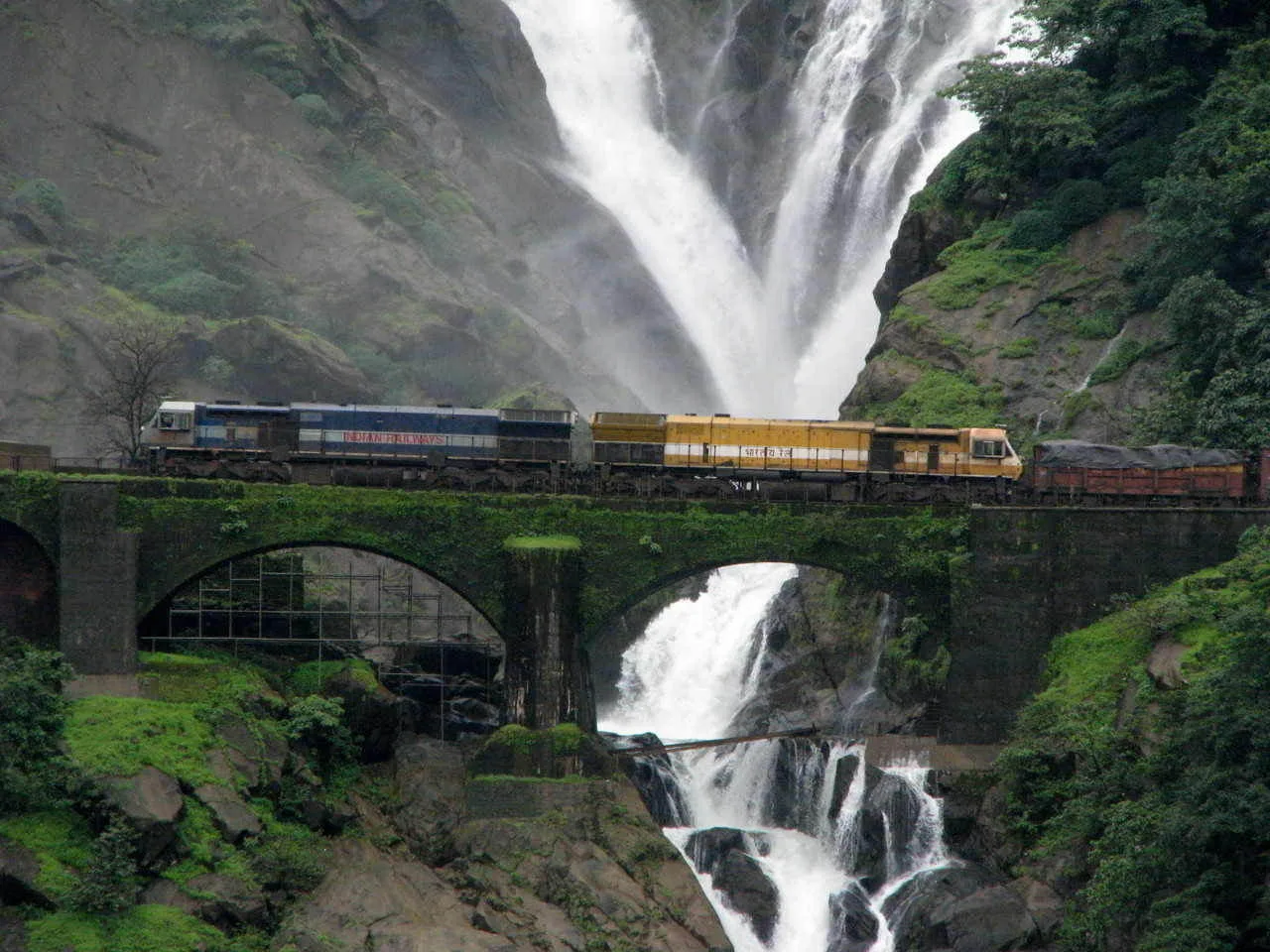
Dudhsagar Falls: Goa’s Big Wild Water
Dudhsagar isn’t a quick pit stop—it’s a day trip, and how you do it matters.
You can reach it by:
- Jeep safari through Bhagwan Mahavir/Mollem area (regulated entries, fixed routes, safety gear)
- Trekking routes that require permits and are best for experienced hikers
- Train views on the Konkan line, where the falls appear like a white ribbon during monsoon
Best season: post-monsoon through early winter when water is full but access is easier.
Monsoon warning: currents and slippery rock zones can be dangerous—follow forest rules strictly.
Wildlife Sanctuaries and Green Escapes
Goa’s forest belt is underrated. If you love nature, make room for at least one sanctuary.
- Bhagwan Mahavir / Mollem National Park – dense forest, waterfalls, temple trails
- Cotigao Wildlife Sanctuary – quiet trails and watchtowers
- Netravali Wildlife Sanctuary – butterflies, bubbling lakes, hidden walks
- Mhadei Wildlife Sanctuary – wild, less visited, great for serious nature lovers
- Bondla Wildlife Sanctuary – family-friendly, small zoo, forest paths
- Dr. Salim Ali Bird Sanctuary – mangrove birding on Chorao Island
Go early, keep expectations realistic (this is not a guaranteed tiger-spotting zone), and treat the forest as the destination, not a checklist.
Adventure in Goa: Water, Wind, and a Bit of Nerve
Water Sports (Choose Carefully)
From Baga to Palolem, operators offer parasailing, jet skiing, banana rides, and flyboarding.
How to choose a good operator:
- look for life jackets in good condition,
- ask about certification,
- avoid anyone who seems reckless or overcrowded.
Morning sessions are safer and calmer.
Scuba Diving & Snorkeling
Most diving trips go to Grande Island off the coast. Visibility is best in calm seasons (winter and early spring). You’ll likely see reef fish, corals, and occasional turtles.
Even if you’ve never dived before, beginner “discover scuba” programs are common. Pick reputable trainers and don’t rush the safety briefing.
Kayaking, SUP, and Backwater Trails
Some of Goa’s most beautiful moments are not on the sea but in the rivers:
- Chapora and Sal river backwaters
- mangrove lanes near Chorao
- calm inlets near Palolem
Sunrise paddles are the gold standard.
Paragliding and Kitesurfing
Arambol’s wind conditions have made it a paragliding and kitesurfing hub in season. If you’re curious, try a tandem flight. The view of Goa’s coastline from above is unforgettable.
Monsoon Rafting
In monsoon months, white-water rafting on the Mhadei/Mandovi belt becomes a real thrill. Only go with licensed operators and never during severe weather warnings.
Eating Across Goa: Seafood, Bakeries, Street Sweets, and Tavern Plates
Here’s a fun truth: Goa is a food destination disguised as a beach destination.
What to Try (And Why It Matters)
- Fish thali – the most Goan meal you can eat: rice, curry, fried fish, seasonal sides.
- Prawn balchão, recheado masala fish, crab xacuti – bold, layered coastal flavors.
- Pork vindaloo and sorpotel – not “hot for the sake of hot,” but deep, slow-spiced.
- Poi bread – baked daily in neighborhood bakeries; perfect with chorizo or breakfast omelets.
- Bebinca and dodol – sticky, rich Goan sweets worth saving stomach space for.
How to Eat Well Without Guesswork
- Beach shacks are great for fresh fish—ask “what came in today?”
- In towns, look for simple local restaurants with lunchtime crowds.
- If you see a taverna full of locals in the evening, trust it.
Feni, Urrak, and Goa’s Drinking Culture
Feni is not just a drink here—it’s a craft.
Cashew feni has a sharp, aromatic punch; coconut feni is earthier. Urrak, lighter and fresh, appears in the cashew season and is often mixed with soda and lime.
Try it in a taverna or a distillery tour if you want context with your sip.
Where to Stay in Goa (Pick Your Base Like You Pick Your Mood)
Instead of listing hotels, let’s match places to vibes.
If You Want Beach Parties and Easy Beach-Hopping
Base yourself in Candolim, Calangute, Baga, Anjuna, Vagator.
If You Want Boutique Calm but Still North Goa Access
Try Ashwem, Mandrem, Morjim, or inland villages like Assagao.
If You Want South Goa Serenity
Choose Benaulim, Varca, Cavelossim for comfort; Agonda or Patnem for retreat vibes.
If You Want Culture + Walkability
Stay in Panaji (Fontainhas area is lovely), or near Old Goa if heritage mornings matter to you.
If You Want Forest, Waterfalls, and a Different Goa
Pick a homestay around Ponda, Netravali, or near Mollem
Goa Itineraries That Don’t Feel Like a Sprint
3 Days in Goa (First-Timer Classic)
Day 1 – North Goa Coastline: Candolim → Fort Aguada → Anjuna sunset → dinner in Vagator
Day 2 – Panaji + Old Goa: Fontainhas walk → Old Goa churches → Mandovi sunset cruise
Day 3 – South Goa Swim Day: Colva/Benaulim morning → Cabo de Rama afternoon → Palolem sunset
5 Days (Balanced Coast + Hinterland)
Add:
- Spice plantation lunch + temple loop
- Dudhsagar Falls day trip
- One quiet beach day in the far south
7 Days (Goa Like a Local)
Split the trip:
- 3 nights North
- 2 nights Panaji/Central
- 2 nights South
And take one full day for nothing but wandering a village you didn’t plan to visit.
Practical Travel Tips for Goa That Save Real Headaches
- Cash helps. Many places take cards, but shacks and markets often don’t.
- Start early. Goa mornings are calm, cool, and gorgeous.
- Sun protection is non-negotiable. You’ll feel the burn faster than you think.
- Respect nesting beaches. If you see fenced zones or “no light” areas, follow them.
- Swimming in monsoon can be dangerous. Even if the sea looks gentle, currents can be strong.
- Goa is mostly safe, but roads demand focus. Especially at night and in rain.
- Dress modestly at temples and churches. It’s respectful and avoids entry issues.
- Don’t chase a “perfect” plan. In Goa, the best days are half-planned.
The Real Secret of Goa
Goa isn’t just the sum of its beaches, forts, churches, or markets. It’s the feeling you get when you stop trying to conquer it and start letting it unfold.
It’s the old man on a Panaji bench who tells you which bakery still makes bread the traditional way.
It’s the quiet moment between waves at Agonda when the shore is empty except for your footprints.
It’s a sudden rain burst in July that turns a dusty lane into the smell of wet leaves and jasmine.
It’s a ferry ride to an island you didn’t know had a name.
It’s the way time loosens.
So here’s a question to carry with you as you plan:
What kind of Goa are you looking for—loud, quiet, wild, soft, or something that changes every day?
Goa can hold all of it. You just have to arrive ready to listen.
References
- Goa Tourism (Official Site)
https://goa-tourism.com/ - Goa Tourism Government Portal
https://goatourism.gov.in/ - Manohar International Airport – Mopa (Official Site)
https://www.miagoaairport.com/ - Manohar International Airport – Wikipedia
https://en.wikipedia.org/wiki/Manohar_International_Airport - Dabolim Airport – Wikipedia
https://en.wikipedia.org/wiki/Dabolim_Airport - UNESCO World Heritage – Churches and Convents of Goa
https://whc.unesco.org/en/list/234/ - Basilica of Bom Jesus – Goa Tourism
https://goa-tourism.com/church/basilica-of-bom-jesus/ - Se Cathedral – Incredible India
https://www.incredibleindia.gov.in/en/goa/goa/se-cathedral - Goa Forest Department – Wildlife Management
https://forest.goa.gov.in/wild-life-management - Goa Foundation – Wildlife Sanctuaries
https://goafoundation.org/the-goa-foundation-and-goas-wildlife-sanctuaries/ - Wildlife Sanctuaries in Goa – TravelTriangle
https://traveltriangle.com/blog/wildlife-sanctuaries-in-goa/ - Dudhsagar Trip – Goa Tourism
https://goa-tourism.com/adventure/trip-to-dudhsagar/ - Dudhsagar Trek Guide – Plan The Unplanned
https://www.plantheunplanned.com/blog/dudhsagar-trek-guide/ - Galgibaga Turtle Beach – Goa Tourism
https://goa-tourism.com/beach/galgibaga-turtle-beach/ - Turtle Nesting in Goa – Gomantak Times
https://www.gomantaktimes.com/my-goa/things-to-do/turtle-nesting-in-goa-and-where-to-find-it - Olive Ridley Turtles in Goa – Times of India
https://timesofindia.indiatimes.com/city/goa/olive-ridley-turtles-thrive-with-over-34500-eggs-numbers-surge-across-goas-beaches/articleshow/123772637.cms - How to Travel Around Goa – Resort Rio
https://www.resortrio.com/how-to-travel-around-goa-local-transport-and-tips/ - How to Get Around Goa – Deep Travels
https://deeptravels.co.in/tag/how-to-get-around-goa/ - Goa Monsoon Travel Guide – The Shooting Star
https://the-shooting-star.com/goa-monsoon-travel-guide/ - Monsoon Safety Tips in Goa – Marquis Hotels
https://marquishotels.in/safety-tips-for-your-monsoon-holiday-in-goa/
