
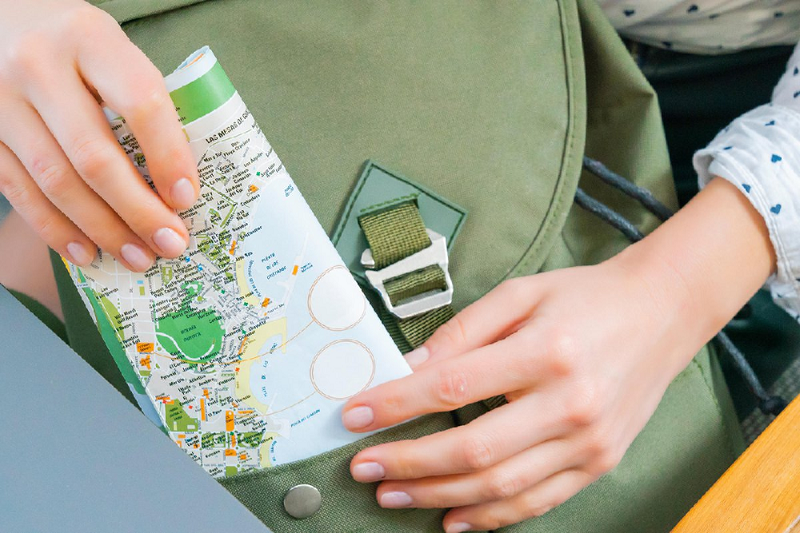
Travel Brochures: Expectations vs. Reality – The Surprising Truth Behind How They Mislead Travelers
You know that moment: you’re holding a glossy brochure or scrolling through a tour site, and suddenly you’re there. The sea is impossibly turquoise, the old town is empty except for one smiling couple with gelato, the safari jeep stops at a perfect golden-hour lion… and you can almost hear the soft background music the marketing team added in their heads.
Then you arrive. And the truth shows up wearing flip-flops, carrying a plastic water bottle, and asking you to stand to the side because twenty other people need the same photo.
This isn’t a rant about travel being “bad.” Travel is still one of the most enriching things we do. But travel expectations vs reality can feel like a whiplash when the story you were sold doesn’t match the place you’re standing in. Brochures rarely lie outright—they’re sneakier than that. They shape a version of reality so polished and selective that you end up planning for a place that doesn’t exist.
Let’s pull back the curtain, not to ruin the magic, but to make your next trip better. Because when you understand how misleading travel brochures work, you can read them like a local, plan like a pro, and still be surprised—in the good ways.
Table of Contents
Why Travel Brochures So Often Feel Misleading
A brochure is not a diary. It’s a pitch.
Whether it’s a printed fold-out in a travel agency or a slick landing page, its job is to make you want to go, right now. That’s marketing 101, and marketing uses three tools especially hard in travel:
- Selective framing
A beach might be gorgeous. The brochure shows only the 40 meters of sand that look like a screensaver, not the rocky stretch next to the parking lot or the seaweed pile that storms bring in weekly. - Time editing
The photo of a famous temple at sunrise is true—for 12 quiet minutes before the bus tours arrive. Brochures present the best hour, not the whole day. - Narrative editing
You’ll read “a short stroll to the viewpoint” and imagine a pleasant walk. What it may actually mean is a steep climb in humid heat with no shade and a line at the top.
Add in filters, wide-angle lenses, and staged setups, and a destination becomes a carefully curated fantasy. The mismatch isn’t that the place is bad. It’s that the brochure is showing you the place on its best day, at its best angle, in its best mood—and you’re arriving on a normal one.
So where does the gap hit hardest? Let’s walk through the most common brochure promises and the reality behind them.
The “Empty Paradise Beach” That’s Actually Busy, Loud, and Complicated
Expectation:
A sweep of sand with maybe three couples, a hammock, and a cocktail that seems to float into your hand without effort.
Reality:
Many top beaches are popular because they’re beautiful. That popularity changes everything: sound, space, prices, and even how safe or clean the place feels.
Picture yourself arriving at a famous tropical bay. The brochure shot was taken from a boat offshore, so you didn’t see the jet skis zigzagging near shore. The palm trees were cropped carefully, so you didn’t notice the row of beach bars behind them. The “quiet cove” is now a playlist war between cafés, plus a vendor every few minutes offering snorkels, sarongs, or braided hair. None of that is inherently awful, but it’s not what you planned for.
What brochures don’t show about beaches
- Tides and seasons. Some beaches look like pale silk at low tide and like a narrow strip at high tide. Monsoon or winter surf can churn up seaweed and brown water for weeks.
- The access story. That “secluded” beach might require a boat fee, a long drive, or a hike in heat. Or it’s secluded only because it’s privately managed and charges a hefty entrance price.
- The crowd curve. A beach can be near-empty at 7 a.m. and packed by noon. Brochures usually immortalize the first version.
How to plan for reality without losing the dream
- Look up tide charts and seasonal patterns before you book. If a beach is famous for calm water, check which months actually deliver that.
- Arrive early or late. Sunrise swims are quietly spectacular; late afternoon dips can be gentle and golden. Midday is often the loudest and hottest.
- Pick your beach by vibe, not fame. Some destinations have party beaches, family beaches, surfer beaches, and wild beaches within 20–40 minutes of each other. Don’t assume the most photographed one matches your style.
- Bring your own basics. A reusable bottle, a small shade hat, and reef-safe sunscreen turn a chaotic beach into a comfortable one.
When you expect perfection, crowds feel like betrayal. When you expect crowds, you find pockets of calm.
The “Iconic City Street” That’s Beautiful—But Not Like the Photo
Expectation:
That postcard street: charming, spotless, gently buzzing, and somehow free of traffic.
Reality:
Cities are alive. They come with delivery vans, school groups, traffic reroutes, protest marches, trash pickup, and locals rushing to work. The famous square you’ve saved for years might be smaller, louder, and busier than you imagined, because brochures often use lens tricks that stretch space.
Let’s say you’re visiting a legendary European old town. The brochure shot showed café tables spaced like chess pieces, with warm lamps glowing and no one hurrying. You show up at 2 p.m. in summer and find a line of tour groups behind flags, a costumed performer asking for tips, and a wait for the exact terrace you saw. The street is still lovely. It’s just not a private movie set.
What brochures don’t show about city icons
- Scale. Some landmarks look huge in photos and are more modest in person. Others feel massive but are hemmed in by modern buildings the brochure cropped away.
- Noise. Church bells, scooters, crowds, street vendors, and nightlife all overlap. The city doesn’t mute itself for you.
- The edges. Brochures show a single block. You’re living in the surrounding corridors, where daily life happens.
City-travel reality tips
- Treat major sights as anchors, not the whole trip. Go see the big landmark, then wander three streets away. That’s where the city breathes.
- Visit icons at off-hours. Early morning or after dinner is often the sweet spot.
- Expect queues. If a place is globally famous, lines are part of the experience. Pack patience, water, and maybe a snack.
- Use public transit or walk. It puts you at street level, where the city is more than its highlights.
When brochures sell you a city as scenery, you risk missing it as life. Shift the expectation, and suddenly the rhythm becomes the attraction.
The “Untouched Nature Trail” That’s Actually Managed, Marked, and Full of People
Expectation:
A solitary hike through pure wilderness.
Reality:
In many beloved parks, trails are carefully maintained for safety and conservation. That means boardwalks, signage, rangers, entry windows, and fellow hikers. Your “remote trek” might be a steady line of backpacks in peak season.
This is especially true for places that brochures call “hidden” while simultaneously advertising them to millions. A viewpoint that looks like a private cliff in photos may actually be a platform built to prevent erosion, with a waiting line for the best photo angle.
The missing pieces in nature marketing
- Permit systems. Some treks require pre-booked slots or guided entry. Brochures seldom emphasize the bureaucracy.
- Weather reality. Mountains and forests have moods. Fog, rain, heat waves, and sudden cold snaps are normal, even in the “best” months.
- Human impact. Toilets, trash rules, shuttle systems, and regulations exist because nature isn’t endless.
How to hike with eyes open
- Check permits early. If the hike is famous, assume you’ll need a reservation.
- Train for the trail. “Moderate” means different things in different countries. Look for elevation gain, not just distance.
- Pack for microclimates. A sunny trailhead can turn into mist and chill at higher elevation.
- Respect the system. Boardwalks and rules protect fragile landscapes. The goal is to keep the view worth seeing.
Maybe the wilderness won’t be yours alone. But the feeling of the hike can still be yours—if you planned for weather, crowds, and logistics.
The “Perfect Wildlife Encounter” That Depends on Luck, Not Marketing
Expectation:
Brochure-level wildlife: animals right next to your jeep, posing like they read your itinerary.
Reality:
Wildlife doesn’t follow scripts. Even on top-tier safaris or whale-watching tours, some days are magical, and some days are quiet. Guides can stack the odds, but they can’t deliver guarantees.
Brochures also tend to cut out the waiting: the long drive, the quiet scanning of the horizon, the dust, the early start before sunrise. Those “empty minutes” are part of real wildlife travel, and they’re the ones that make the sudden sighting feel electric.
What brochures omit in wildlife trips
- Distance. Animals are often farther away than photos imply. That’s why zoom lenses exist.
- Timing. Dawn and dusk are peak hours. Midday sightings can be sparse.
- Ethics. The best operators keep respectful distance, which may feel less dramatic but is far better for animals.
Planning for a better wildlife reality
- Choose operators with strong ethics. If the brochure promises touching distance or baiting, walk away.
- Bring binoculars or a zoom camera. Your enjoyment skyrockets.
- Build in multiple outings. One game drive is a gamble. Three is a pattern.
- Treat silence as part of the story. Wildlife travel is a slow-burn genre.
If you show up expecting a zoo, you’ll leave disappointed. If you show up expecting nature, you’ll leave humbled—and often delighted.
The “Luxury Resort Escape” With Hidden Costs and Small Print
Expectation:
A seamless, all-inclusive paradise. Everything you want is already paid for.
Reality:
Resorts and packaged trips are one of the most common areas where travel expectations vs reality flickers into frustration. Not because resorts are bad, but because pricing language can be slippery.
The brochure says “from $199 per night.” You book, then discover:
- mandatory resort fees
- local taxes collected at check-in
- activity add-ons not included
- “all-inclusive” that covers buffet meals but not specialty restaurants
- premium drinks tiered separately
And suddenly you’re doing math on vacation.
How to avoid brochure-pricing traps
- Ask for the full out-the-door price. If a site doesn’t show it, email or call.
- Read the inclusions list like a contract. What’s included? What’s explicitly excluded?
- Check recent guest reviews. Look for patterns: “unexpected fees,” “extra charges,” “limited inclusions.”
- Budget a buffer. Even with good planning, small add-ons happen.
Luxury can still be wonderful. But it’s much more relaxing when you’re not surprised by what “luxury” doesn’t cover.
The “Food Scene Paradise” That Ignores Reality: Lines, Timing, and Taste
Expectation:
You’ll float from one legendary meal to another, every bite a revelation.
Reality:
A great food destination is not a constant fireworks show. It’s markets that close early, iconic spots with long queues, and occasional meals that are just… fine. Brochures tend to showcase the brightest highlights and avoid the practical rhythm of how locals eat.
You might arrive hungry at a famous street-food alley and discover half the stalls shut because that’s not when people eat there. Or you finally reach the celebrated noodle shop from the brochure, only to realize you personally don’t love that flavor profile. That’s not failure—that’s a normal part of taste.
How to eat like a traveler, not a brochure
- Learn local meal timing. Some cities eat dinner at 6, others at 10. Adjust to reality, not your clock.
- Mix famous and ordinary. One iconic place per day is enough; build the rest with neighborhood spots.
- Expect queues at viral places. Go early, or pick a less hyped equivalent.
- Let your taste lead. If a famous dish isn’t your thing, that’s okay. Your trip isn’t a checklist.
Food travel is about curiosity, not perfection. Leave room for surprise—including the kind that comes from a random bakery you didn’t plan.
The “Festival Fantasy” That’s More Crowd Management Than Romance
Expectation:
You’ll stroll into a cultural celebration, mingle freely, and feel like a guest of honor.
Reality:
Major festivals are logistically intense. There are entry gates, security lines, timed passes, packed transit, and sometimes rules that brochures mention in half a sentence.
This doesn’t make festivals less meaningful. It makes them real. The wonder often lives in the side streets, the smaller performances, and the late-night food stalls—not only in the signature parade.
Festival reality planning
- Book early. Accommodation and transport sell out fast.
- Read the rules. Cameras, clothing norms, or restricted areas can matter.
- Have a crowd plan. Pick meeting spots, keep water, and pack light.
- Explore beyond the main stage. That’s where human moments bloom.
Go expecting intensity, and you’ll find beauty inside it.
The “Winter Wonderland” That’s Actually Muddy, Melting, or Gray
Expectation:
Snow draped perfectly over rooftops, sparkling sunshine, little puffs of breath in the air.
Reality:
Winter travel is extremely weather-dependent. Some places do get reliably snowy seasons—but many famous “winter wonderland” photos are taken in narrow windows right after a fresh fall, often edited for extra glow.
You could arrive during a thaw to find wet slush and gray skies. Or arrive in a cold snap so sharp you can’t feel your hands after three minutes outside.
Winter reality tips
- Check snow reliability. Some towns are consistently snowy; others are a gamble.
- Pack for warmth and wetness. Waterproof boots matter as much as insulation.
- Build indoor joys into the plan. Cafés, museums, hot baths, slow afternoons are part of winter travel’s charm.
- Expect short days. Your sightseeing hours shrink. Plan fewer goals per day.
Winter can be magical. Just remember that magic is often moody, not postcard-perfect.
The “Quick Day Trip” That’s Longer, Harder, and More Expensive
Expectation:
A breezy half-day outing from your base city.
Reality:
Day trips are where brochures hide the most. That “easy excursion” might mean:
- 2 hours each way on a bumpy road
- multiple transfers
- ticket systems that require early booking
- arrival at peak crowd time
- a guide whose pacing doesn’t match yours
Better day-trip planning
- Map the transit. Don’t trust vague “nearby” language—check real travel times.
- Leave early. You beat both crowds and heat.
- Choose one priority. A day trip with three “must-sees” often becomes stressful.
- Consider staying overnight. Some places only breathe after day-trippers leave.
Brochures compress time to sell convenience. You expand it back to reality.
How to Read a Travel Brochures Like a Detective
Instead of asking, “Is this true?” ask, “What’s missing?”
Here are practical ways to decode the pitch:
1. Look for the cropping
If you see a famous viewpoint framed tightly, search for wider angles online. What’s outside the frame—roads, crowds, buildings, fences?
2. Translate soft language
- “Secluded” often means “hard to reach.”
- “Authentic” often means “styled to feel traditional.”
- “Vibrant nightlife” may mean “noisy until 3 a.m.”
- “Rustic charm” might mean “basic amenities.”
None are bad, but you need to know which you’re buying.
3. Compare multiple sources
Don’t rely on one brochure or one influencer. Cross-check:
- recent traveler photos
- neighborhood blogs
- map reviews
- local tourism board sites
Patterns are truth.
4. Find the practical layer
Every dreamy destination has a practical skeleton: transit, weather, prices, rules, hours. If a brochure doesn’t show it, you must look it up.
5. Accept that “normal” is part of travel
There will be lines. There will be bad coffee sometimes. There will be a bus that’s late. Real travel is a living thing—not a curated still life.
Once you accept this, disappointment fades and curiosity wins.
Turning Reality into the Better Story
Here’s the twist nobody tells you in glossy leaflets: reality often becomes the richer memory.
The rainstorm you didn’t plan for? It leads you into a tiny museum you loved. The overcrowded square? You turn a corner and find a quiet lane where a musician plays for no one but you. The “average” meal? It’s followed by a street snack that blows your mind. The wildlife day with no lions? You watch an eagle hunt over open plains and feel the world widen.
Brochures sell certainty. Real travel gives you meaning.
So go ahead—let brochures inspire you. Just don’t let them script you.
Ask yourself before every trip:
What if the reality is different, not worse?
What kind of traveler am I when nobody is staging the scene for me?
What might I notice if I stop hunting the brochure photo and start living the place?
When your expectations loosen, travel gets sharper. And the truth behind the marketing becomes not a letdown—but an invitation.
References
- Sustainable Travel International – “What is Overtourism and Why is It a Problem?”
https://sustainabletravel.org/what-is-overtourism/ - TicketingHub – “Over Tourism in 2024: Which Destinations Are Most at Risk?”
https://www.ticketinghub.com/blog/overtourism-in-2024 - Reuters – “Barcelona to scale back cruise terminals amid overtourism concerns.”
https://www.reuters.com/world/europes-busiest-cruise-port-barcelona-scale-back-amid-overtourism-concerns-2025-07-18/ - Advertising Standards Authority (UK) – “Travel marketing: Pricing.”
https://www.asa.org.uk/advice-online/travel-marketing-pricing.html - News.com.au – “Webjet sued over hidden fees” (ACCC case coverage)
https://www.news.com.au/finance/business/travel/accc-takes-webjet-to-court-over-false-misleading-claims/news-story/748c2d1e001f4f0e64ead2acd653fe7f - Deloitte Insights – Corporate Travel Study 2024
https://www.deloitte.com/us/en/insights/industry/transportation/corporate-business-travel-survey/2024.html - ResearchGate – “Tourist Brochures and Tourist Images” (Dilley research summary)
https://www.researchgate.net/publication/229577042_Tourist_Brochures_and_Tourist_Images - Travel Earth – “Travel Expectations vs Reality: How Pictures Lie To Us.”
https://travel.earth/travel-expectations-vs-reality-pictures/ - LoveExploring – “Epic beach fails: the brochure vs reality.”
https://www.loveexploring.com/galleries/84566/epic-beach-fails-the-brochure-vs-reality

