
Lakshadweep Travel Guide: Permits, Best Islands, How to Plan, and the Experiences You’ll Actually Love
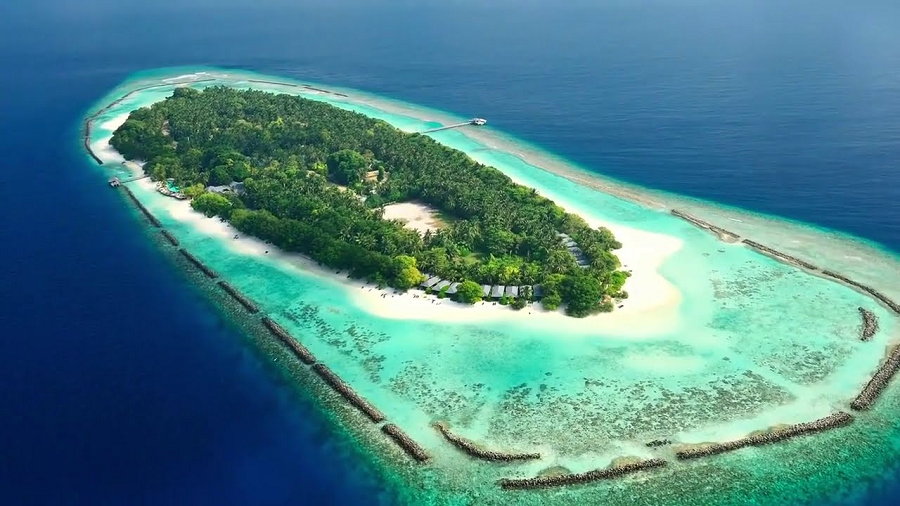
The first thing you notice in Lakshadweep is the silence. Not the absence of sound, but the soft kind — the low thrum of a propeller fading, the sea murmuring against a reef you can’t quite see, the wind combing through coconut fronds. As you step off the tiny plane at Agatti, the runway feels like it’s floating on water. On both sides, an endless shallow lagoon glows in impossible shades of blue and green.
This is Lakshadweep: India’s smallest Union Territory and its only true chain of coral atolls — just 36 islands and islets, with barely 32 square kilometres of land scattered across a huge stretch of the Arabian Sea.
For most travellers, Lakshadweep is not the first place that comes to mind when planning an India trip. It’s remote. It’s regulated. It’s not a “drop in whenever” sort of destination. And that is exactly what keeps it special.
If you’ve ever looked at a map and wondered what it would feel like to stand on one of those tiny specks far out at sea, this Lakshadweep travel guide is for you.
Table of Contents
1. Why Lakshadweep Is Different From Anywhere Else in India
You can find palm-fringed beaches elsewhere. You can find turquoise water elsewhere. So why go through the extra admin — permits, limited accommodation, tricky logistics — to come all the way out here?
Because Lakshadweep is not just another beach destination.
- It’s a true atoll system, formed entirely by coral reefs that ring shallow lagoons. The archipelago includes 12 atolls, three reefs and five submerged banks, each with its own lagoon and reef structure.
- Only ten islands are inhabited; the rest are tiny islets, sandbanks, or reef rims used by seabirds and turtles more than humans.
- The islands sit roughly 220–440 km off the Kerala coast, far enough that you really do feel cut off from the mainland.
Beneath the waterline, Lakshadweep holds one of the most extensive coral reef and atoll systems in the Indian Ocean and among the largest atoll systems in the world. These reefs are nurseries for reef fish, home to sea turtles and rays, and essential to local fisheries and coastal protection.
On land, life is slow and deeply rooted:
- Most residents are engaged in tuna fishing and coconut-based livelihoods, with limited agriculture beyond what can grow on sandy, salty soil.
- The population is small (around 64,000 people) with a Muslim majority, and culture is closely linked to Kerala’s Malabar coast and, in Minicoy, to the Maldives.
All this comes with responsibility. The islands are low-lying, fragile and highly vulnerable to sea-level rise, storm surges, coral bleaching, and plastic pollution.
So yes, Lakshadweep is beautiful. But more than that, it is delicate. Travelling here is less about consuming a destination and more about quietly sharing space with a landscape that is working hard just to survive.
2. Getting Oriented: How the Lakshadweep Islands Are Laid Out
Before you pick an island, it helps to understand the basic layout. Picture Lakshadweep as a string of atolls and reefs running roughly north–south:
- Northern group (Amindivi Islands) – Amini, Kiltan, Chetlat, Kadmat, Bitra
- Central group (Laccadive Islands) – Kavaratti, Agatti, Andrott, Kalpeni, and nearby islets
- Southern outlier – Minicoy, separated by the Nine Degree Channel and culturally close to the Maldives
Out of the 36 islands, only ten are inhabited: Kavaratti, Agatti, Amini, Kadmat, Kiltan, Chetlat, Bitra, Andrott, Kalpeni and Minicoy.
Tourism, however, is concentrated on a smaller set of islands, both for logistical and environmental reasons. The main islands most travellers can consider are:
- Agatti – Gateway island with the only airport
- Bangaram & Thinnakara – Uninhabited-atoll resort islands (officially counted but sparsely populated)
- Kavaratti – Administrative capital with mosques, local life, and a vibrant lagoon
- Kadmat – Long, narrow island known for calm lagoons and water sports
- Kalpeni – Quiet, scenic atoll with nearby islets
- Minicoy – Southern island with a giant lagoon, lighthouse, and Maldivian-style village culture
Several other islands remain closed to tourism or accessible only under special programmes, to protect fragile ecosystems or for security reasons.
When you plan a Lakshadweep Islands itinerary, you’re really choosing among a handful of carefully managed options — and that’s part of the charm.
3. Choosing Your Island: What Each Lakshadweep Island Really Feels Like
Think of each island as a different personality in the same family. Which one matches the trip you have in mind?
3.1 Agatti: The Aerobridge to the Atolls
Agatti is often your first real look at Lakshadweep. The runway runs almost the entire length of this small island, with lagoon on one side and reef on the other. From the air, it looks like someone sketched a sandbar and forgot to erase the pencil lines.
What Agatti is like:
- A mix of local village life and small guesthouses, with a modest tourism footprint.
- Houses, mosques and shops cluster along the narrow spine of land; the lagoon lies only a few minutes’ walk in almost any direction.
- Coral shelves and shallow reef areas nearby make for excellent boat-based snorkeling.
You’ll likely spend at least a night here if you’re transiting to Bangaram, Kadmat or Kavaratti. Instead of treating Agatti as merely a stopover, consider giving it a day of its own: walk the length of the island at sunset, talk to fishermen mending lines, watch kids playing football in sandy clearings.
3.2 Bangaram & Thinnakara: Barefoot-Luxury-Without-the-Noise
If you’ve ever imagined waking up on a small island where you can walk coast-to-coast in under an hour, Bangaram comes close. It’s technically uninhabited in the conventional sense; the population mainly consists of resort staff and a handful of workers.
Why travellers choose Bangaram:
- One of the few islands where alcohol is officially permitted, making it the only place in Lakshadweep where you’ll find a bar.
- Easy snorkeling right off the beach, with coral gardens, reef fish, and occasional reef sharks in deeper waters.
- Limited visitor numbers and simple, low-rise accommodation keep the island relatively quiet.
Just across the lagoon, Thinnakara is even smaller and more withdrawn — think long, empty sandspits, sparse infrastructure, and a feeling of being at the edge of everything. Many day trips from Bangaram include Thinnakara as a picnic or snorkeling stop.
3.3 Kavaratti: The Everyday Face of Lakshadweep
Kavaratti is both capital and community — home to the UT administration and one of the more developed islands.
Here you can:
- Visit several mosques dotted around the island, some with delicately decorated interiors.
- Walk through local neighbourhoods where life is structured around the mosque, the sea, and coconut groves.
- Join lagoon activities such as glass-bottom boat rides, introductory scuba or snorkeling sessions through the local water sports institute.
Kavaratti suits travellers who like a mix of soft adventure and culture — you can spend the morning snorkeling, then wander through streets lined with tiled houses in the afternoon, tasting local snacks and chatting with shopkeepers.
3.4 Kadmat: Long Island, Long Lagoon
Kadmat is a narrow strip of land — about 8 km long and barely 550 metres wide at its broadest point. On the map, it looks like a dropped paintbrush stroke.
This shape is the secret behind its appeal:
- A lagoon side with calm, shallow water ideal for kayaking, snorkeling and beginner dives.
- An open-sea side where waves break directly against the reef, dramatic to watch but generally unsafe for casual swimming.
- A full-fledged water sports centre that offers kayaking, windsurfing, scuba diving and more under trained supervision.
If you’re serious about snorkeling or diving but still want a quiet island feel, Kadmat is one of the best bases in this entire archipelago.
3.5 Kalpeni: Lagoon Life with Fewer People
Kalpeni sits with a cluster of islets — Tilakkam, Pitti and Cheriyam — forming a large, shared lagoon.
Travellers come here for:
- Kayaking over clear sandbanks that appear and disappear with the tide.
- Birdwatching near uninhabited islets.
- Simple, slow days where the biggest decision is whether to swim before or after evening tea.
For many visitors, Kalpeni has just the right balance of basic comfort and space. It doesn’t try to entertain you. It leaves you alone with a very large sky.
3.6 Minicoy: Lakshadweep’s Southern Story
Minicoy, far to the south across the Nine Degree Channel, is the second-largest island in Lakshadweep and culturally distinct from the rest. The people here, known as Mahls, are closely linked to the Maldives; Dhivehi is widely spoken, and you’ll notice Maldivian-style boats and architecture.
Highlights include:
- A towering lighthouse (built in the 19th century) that provides sweeping views of the lagoon and ocean.
- Traditional boat-building and tuna fishing, with brightly painted boats pulled up along the shore.
- Long village streets lined with pastel-hued houses, where you can experience a more community-centered rhythm of life.
Minicoy’s lagoon is enormous and ideal for sailing, kayaking and long, glassy swims. It’s also a great place to understand Lakshadweep not just as scenery, but as a living culture.
4. When to Visit Lakshadweep: Seasons, Weather and Sea Moods
Lakshadweep’s weather is warm and humid year-round, with air temperatures hovering in the mid-20s to low 30s °C most of the time.
For travellers, the year splits into three practical seasons:
4.1 Main Travel Season: October to May
Most travellers aim for October to May, when:
- Seas are usually calmer, making flights and boat transfers more reliable.
- Skies are clearer, so colours in the lagoon seem unreal.
- Water sports centres run at full capacity, with regular snorkeling, diving and kayaking trips.
Within this period, December to February often feels a bit cooler and breezier, while March to May can be hotter but with excellent underwater visibility.
4.2 Monsoon Season: June to September
During the southwest monsoon, Lakshadweep can see heavy rain, strong winds and rough seas. Ferries may be suspended, flights disrupted, and many tourism packages pause operations for safety reasons.
Visiting in peak monsoon is generally not recommended unless you have a very specific reason and flexible plans. Some limited helicopter transfers and essential services continue, but the islands turn inward; this is more a time for residents than visitors.
4.3 Shoulder Months and Flexibility
The shoulder periods around late September–early October and late May can offer good value if operations are running — fewer travellers, slightly lower rates, but with a small risk of unsettled weather. Always check with your operator about sea conditions and package schedules before you commit.
5. Permits, Visas and Rules: The Serious Side of Lakshadweep Tourism
If Lakshadweep feels more controlled than other Indian destinations, that’s because it is — by design.
5.1 Why You Need a Permit
Entry to Lakshadweep is restricted under the Laccadive, Minicoy and Amindivi Islands (Restriction on Entry and Residence) Rules, 1967. Every person who is not a native of these islands must obtain an entry permit from the competent authority before arriving.
In practice, this means:
- You cannot simply book a ticket and fly in like you would to Goa or Kochi.
- You typically travel through an approved tour operator or government body, such as the Society for Promotion of Nature Tourism and Sports (SPORTS), which arranges your permit as part of a package.
- Your permit will clearly specify which island(s) you are allowed to visit and for how long.
The administration now offers an online ePermit portal, where applications can be processed digitally, often via your operator.
5.2 Indian and Foreign Travellers
- Indian citizens require an entry permit but no special visa.
- Foreign nationals must hold a valid Indian tourist visa and are only allowed on certain approved islands and packages; some islands remain off-limits to foreigners.
Because rules can evolve, always confirm current island access for foreigners well before you book.
5.3 On-the-Ground Regulations You Must Respect
Lakshadweep is heavily regulated not to make your life difficult, but to protect fragile ecosystems and a conservative local culture. Expect:
- No free roaming beyond permitted zones on certain islands, especially if you’re on a ship-based package. Guides will usually accompany you.
- Photography restrictions around sensitive installations and in some village areas; always ask before photographing people.
- Strict alcohol rules – consumption is prohibited on all islands except Bangaram, where controlled sale is allowed for tourists.
- A ban on collecting corals, shells and sand, which is punishable by law and actively enforced.
- A strong push against single-use plastics, backed by local notifications and broader national regulations.
If you’re the kind of traveller who likes to improvise and ignore rules, Lakshadweep will not suit you. If you appreciate structure in exchange for access to a rare ecosystem, you’ll understand why the rules exist.
6. Getting to Lakshadweep and Moving Between Islands
Reaching these islands is part of the adventure — and sometimes the main challenge.
6.1 By Air: The Fastest Route
Lakshadweep has only one airport, located on Agatti Island.
Here’s how air travel usually works:
- You first fly to Kochi (Cochin International Airport) on the mainland, which has excellent domestic and international connections.
- From Kochi, you board a turboprop flight to Agatti, taking roughly 1.5 hours. Flights typically operate several days a week, but schedules can change with seasons and regulations.
From Agatti, onward movement is usually arranged by your tour operator:
- Speedboats to Bangaram, Thinnakara or Kadmat (in fair weather).
- Boats or ferries to Kavaratti and other nearby islands during the calm season.
- Helicopter transfers (limited seats, expensive, often prioritised for medical or official use) when seas are too rough for boats.
6.2 By Ship: Slow Travel Across the Arabian Sea
If you have time, travelling by passenger ship from Kochi (and occasionally other coastal ports) lets you arrive the old-fashioned way — over the water.
- A small fleet of ships connects the mainland to various islands, with travel times around 14–20 hours, depending on distance and route.
- Cabins range from simple bunk-style dorms to modest private cabins. Think practical, not luxury.
- On many itineraries, you sleep on the ship and go ashore for day visits, especially on structured tourism packages like the Samudram cruise.
Ship schedules are heavily seasonal, with many services suspending operations or limiting routes during the monsoon.
6.3 Within the Islands
Inter-island travel once you’re in Lakshadweep is mostly handled by:
- Ferries and local boats, timed according to sea conditions and demand.
- Speedboats for shorter hops between nearby islands in the same atoll.
- Helicopters for emergencies and occasional passenger transfers.
Because the network is small and weather-sensitive, you almost always rely on your tour operator or resort to handle logistics. Independent island-hopping is extremely difficult and often impossible for non-residents.
7. Where to Stay: Resorts, Cottages and Simple Homestays
Lakshadweep is not full of hotel chains. Capacity is limited by design, partly because the land area is so small, and partly to limit pressure on local resources.
7.1 Government-Run Resorts and Packages
A major share of tourism infrastructure is run by SPORTS and related government bodies:
- Beach cottages and basic resorts on islands like Kadmat, Minicoy and Kavaratti.
- Integrated tour packages such as:
- Marine Wealth Awareness programmes at Kadmat
- Ship-based packages like Samudram that include accommodation on the ship plus day activities
- Island-specific packages like Swaying Palm for Minicoy and Taratashi for Kavaratti.
- Marine Wealth Awareness programmes at Kadmat
These often include meals, permits, and a fixed menu of activities (snorkeling, kayaking, local sightseeing). They’re structured and can feel slightly regimented, but they remove most of the logistical headaches.
7.2 Private Resorts and Boutique Stays
On islands such as Bangaram and, in some cases, parts of Agatti or Kadmat, you’ll find privately operated resorts working under government regulations.
What to expect:
- Low-rise cottages or villas, often directly on the beach or just behind a line of palms.
- Full-board meal plans (buffet-style or set menus) based on local fish, coconut, rice, and a few curated “continental” dishes.
- Limited or patchy Wi-Fi; connectivity is improving but still unreliable compared to mainland standards.
In peak season, rooms can sell out months in advance because supply is capped. This is not a place where you land and “figure out accommodation later.”
7.3 Homestays and Local Guesthouses
On some islands, especially Agatti, Kavaratti and Minicoy, small local guesthouses and homestays provide another way in:
- Rooms are simple but usually clean, with fan or air-conditioning depending on price.
- Meals are often home-cooked — tuna curries, chapatis, rice, coconut-based vegetables — giving you a closer look at everyday island food.
- You’ll need to ensure your permit specifically allows you to stay on that island and at that property.
If you’re keen on homestays, work with a reputable operator who partners with local families and understands the regulations.
8. What to Do in Lakshadweep: From Reef Flats to Village Streets
Once you reach Lakshadweep, what does an actual day feel like? The answer depends on how much time you want to spend in the water — and how willing you are to slow down.
8.1 Snorkeling: The Easiest Gateway to the Reefs
If you do only one activity in Lakshadweep, make it snorkeling. Many lagoons are shallow, calm and clear, making this accessible even if you’re not a strong swimmer.
In different islands, you might drift over:
- Branching corals and table corals with damselfish darting among them.
- Sandy patches dotted with sea cucumbers and small rays half-buried in the sand.
- Sea turtles grazing on seagrass or cruising past with unhurried strokes.
Great snorkeling areas include:
- Kadmat’s lagoon, famous for calm conditions and turtle sightings
- Bangaram’s reef, where even near-shore snorkeling can reveal reef sharks in deeper channels
- Agatti’s coral shelves, accessible via local boat trips
All proper operators will provide life jackets, masks, snorkels and fins, plus a basic briefing on reef etiquette: don’t stand on corals, don’t chase wildlife, and don’t use fins to push off the reef.
8.2 Scuba Diving: Dropping Below the Surface
Lakshadweep is considered one of India’s top diving regions, with warm water, good visibility and relatively untouched reefs compared to more crowded destinations.
Popular dive areas include:
- Agatti – coral gardens and gentle slopes ideal for beginners
- Bangaram – drop-offs, channels and deeper sites for advanced divers; reef sharks and rays are often spotted
- Kalpeni and Kadmat – a mix of coral bommies, sandy patches and reef walls teeming with fish
If you’re certified, you can book dive packages with PADI-affiliated centres that operate under local guidelines. If you’re a beginner, try a Discover Scuba Diving program in a lagoon, where you learn basic skills in shallow water with an instructor.
Given the documented stress on coral reefs in Lakshadweep — including disease outbreaks, bleaching events and declining coral cover in some atolls — dive centres increasingly emphasize low-impact practices.
8.3 Kayaking, SUP and Lagoon Play
On still days, the lagoon is like glass. This is when you want to:
- Take a sea kayak out at sunrise or sunset, drifting over sand ripples and coral heads.
- Try stand-up paddleboarding (SUP); falling in is half the fun.
- Join lagoon cruises in traditional wooden boats, often combined with dolphin spotting or snorkeling stops.
Many SPORTs centres and resorts bundle these activities into daily passes or package inclusions.
8.4 Village Walks and Cultural Experiences
If you stay on inhabited islands like Kavaratti, Agatti or Minicoy, set aside time to simply wander — with sensitivity and respect.
Look out for:
- Mosques with unique local architecture and carved interiors.
- Coconut processing yards where husks are converted into coir fibre and mats, a key cottage industry here.
- Fishermen unloading tuna catches, slicing and drying them for export and local consumption.
- Children playing football or volleyball in sandy clearings that double as community spaces.
In Minicoy, if your visit coincides with a local event, you might see traditional dance performances or boat races featuring long, slender boats that seem to skim the surface.
8.5 Beach Time and Night Skies
The beaches here are less about deck chairs and beach clubs, more about long, quiet walks. Many shorelines are narrow; at high tide, the water may come almost up to the vegetation line, reminding you how little land there really is.
At night, with minimal light pollution, you get clean, star-filled skies. On rare occasions and under the right conditions, travellers report seeing bioluminescence in the shallows — tiny flashes of light as plankton respond to movement — but this is unpredictable and should be considered a bonus, not a guarantee.
9. Sample Lakshadweep Itineraries
Because access is regulated and inter-island transport is limited, it helps to think in terms of types of trips rather than rigid day-by-day schedules. Here are three patterns that work well.
9.1 Five-Day Ship-Based Lakshadweep Tour
Ideal if you:
- Prefer not to deal with multiple bookings
- Enjoy the idea of sleeping at sea and visiting different islands by day
A typical pattern, inspired by packages like Samudram, might look like this:
- Day 1: Board ship at Kochi in the afternoon, sail overnight.
- Day 2: Arrive at Kavaratti; spend the day snorkeling, kayaking and visiting local sights, then return to the ship.
- Day 3: Arrive at Kalpeni; lagoon activities, beach time and optional village walk.
- Day 4: Arrive at Minicoy; lighthouse visit, village tour, cultural programme.
- Day 5: Sail back to Kochi, disembark.
You won’t get deep immersion in any one island, but you will sample three very different atolls.
9.2 Six–Seven Day Fly-and-Stay Lagoon Escape
Perfect if you:
- Want more flexibility and quiet time
- Are happy to focus on one or two islands rather than “collecting” many
A classic Lakshadweep Islands stay itinerary could be:
- Day 1: Fly Kochi → Agatti. Transfer by speedboat to Bangaram or Kadmat.
- Days 2–5: Settle into island routine — morning snorkeling or diving, lazy afternoons, night sky watching.
- Day 6: Optional day trip to a nearby uninhabited islet, or short village visit on an inhabited island if regulations allow.
- Day 7: Return by boat to Agatti; fly back to Kochi.
Because these islands have limited rooms, book months ahead, especially for holidays and long weekends.
9.3 Ten-Day Slow Travel with Culture and Reefs
If Lakshadweep is your main destination (and you want it that way), combine one inhabited island and one resort island:
- Days 1–3: Stay on Kavaratti or Minicoy to experience local life — mosques, coir units, tuna fishing, evening strolls.
- Days 4–8: Move to Bangaram or Kadmat for lagoon-focused days, snorkeling, dives and quiet shores.
- Days 9–10: Return to Agatti, with a final sunset walk and some time to decompress before heading back to the mainland.
This style of trip works best if you’re comfortable with simple infrastructure, erratic connectivity and a slightly slower logistical pace.
10. Practical Travel Tips: Money, Food, Packing and Connectivity
Lakshadweep rewards travellers who come prepared — not with heavy luggage, but with realistic expectations.
10.1 Budgeting for a Lakshadweep Trip
Exact costs shift over time, but in broad terms, expect:
- Flights from Kochi to Agatti to be significantly more expensive than typical domestic hops, especially in peak season.
- Ship-based packages that bundle transport, food and basic accommodation; these can be more economical but less flexible.
- On-island expenses that are relatively contained — in many packages, meals and core activities are already included; you mainly pay for optional dives, special excursions or souvenirs.
Lakshadweep is not a shoestring backpacking destination, mainly because capacity is limited and logistics are complex. But it can be surprisingly good value compared to some international atoll destinations.
10.2 Money and Payments
- Carry enough cash in Indian rupees for small expenses; ATMs are limited and may run out or be offline.
- Some resorts and operators accept cards or digital payments, but do not rely on them exclusively — network outages are common.
10.3 Food and Dietary Preferences
Lakshadweep cuisine is strongly shaped by the Malabar coast and the sea:
- Expect plenty of tuna, other reef fish, coconut-based curries, rice, chapatis and simple vegetable dishes.
- Many resorts and ships serve buffet-style meals with a mix of Indian and limited “continental” options.
- Vegetarian food is generally available, but vegans and those with severe allergies should inform their operator in advance and carry some backup snacks.
Locally, you might also come across toddy (fermented coconut sap) in some places, though alcohol rules are strict and complex.
10.4 What to Pack
Because of the warm, humid climate and water-based activities, pack light but smart:
- Light, breathable clothing that covers shoulders and knees for village visits
- Two swimsuits or quick-dry outfits for daily water dips
- A rash guard or long-sleeved swimming top to protect from sun and reduce sunscreen use
- Reef-safe sunscreen, a wide-brim hat and sunglasses
- A light scarf or shawl for modesty and sun protection
- Basic medications and personal supplies — pharmacies exist but have limited stock
- A reusable water bottle to comply with plastic reduction policies
10.5 Connectivity and Staying in Touch
- Mobile coverage is improving but still patchy; BSNL and some private operators work in parts of the islands, but don’t count on high-speed data.
- Wi-Fi, where available, is often confined to a reception area or bar and can be slow.
- Download offline maps, entertainment and reading material before you leave the mainland.
Think of limited connectivity as part of the experience: a rare chance to be genuinely out of office.
11. Responsible Travel in a Fragile Atoll
Lakshadweep’s reefs and lagoons are not doing as well as they look in your camera roll. Scientific studies have flagged coral diseases, heat stress, declining coral cover and microplastic pollution in several atolls, especially around inhabited islands.
So how do you enjoy this place without adding pressure?
11.1 In the Water
- Do not stand on or touch corals, even if they look like rocks. Broken coral takes years to recover, if it recovers at all.
- Choose reef-safe sunscreen and consider wearing a rash guard to reduce chemical load in the water.
- Follow your guide’s instructions about distances from turtles, rays, and other wildlife.
- Never feed fish or throw food into the water; it disrupts natural behaviour and can damage reefs.
11.2 On Land
- Respect the ban on single-use plastics and bring your own reusable bottle and bag.
- Take all non-biodegradable waste back to the mainland if your operator allows; island waste-management systems are under strain.
- Dress modestly in villages — shoulders and knees covered — especially given the predominantly Muslim population.
- Avoid loud music and party behaviour; nightlife here is the sound of waves and the wind.
11.3 Cultural Sensitivity
Lakshadweep is not a theme park. It’s a small community where everyone knows everyone else. Basic courtesy goes a long way:
- Ask before taking photos of people, homes, or religious spaces.
- Learn a few words of Malayalam or local dialects — even a simple “thank you” can spark a smile.
- Support local livelihoods by buying handicrafts (such as coir products) and eating at local establishments where available.
By choosing regulated operators, accepting restrictions and leaving a small footprint, you help make the case that sustainable tourism in Lakshadweep is worth protecting.
12. Is Lakshadweep the Right Destination for You?
Lakshadweep is not for everyone — and that’s okay.
You might be happy elsewhere if you:
- Want easy access and last-minute flexibility
- Crave nightlife, bars and shopping streets
- Prefer a wide range of independent restaurants and hangouts
But you’ll feel utterly at home here if you:
- Are willing to plan ahead, accept fixed packages and respect local rules
- Value quiet, salt-laced days where your biggest choice is swim, nap or walk
- Care about seeing an atoll system up close — not just as a backdrop, but as a living, vulnerable environment
- Are okay with simple comforts, limited connectivity and the occasional logistical hiccup
In return, Lakshadweep gives you something rare in modern travel:
A sense of being very far from everywhere, on an island that feels almost provisional — a ring of coral, a line of palms, a scatter of houses and boats — held together by community, tide and time.
If you’re ready to treat that with care, this Lakshadweep travel guide is only the beginning of your story with these islands.
References
- UT Administration of Lakshadweep – About Lakshadweep (official statistics & geography)
https://lakshadweep.gov.in/about-lakshadweep/ - UT Administration of Lakshadweep – Official Website (general info, tourism overview, islands)
https://lakshadweep.gov.in/ - UT Administration of Lakshadweep – Tourism (tourist places & activities)
https://lakshadweep.gov.in/tourism/ - UT Administration of Lakshadweep – Tourist Places
https://lakshadweep.gov.in/tourist-places/ - UT Administration of Lakshadweep – How to Reach (air & ship connectivity)
https://lakshadweep.gov.in/how-to-reach/ - UT Administration of Lakshadweep – Tourist Packages (SPORTS packages including island tours)
https://lakshadweep.gov.in/tourism/tourist-packages/ - UT Administration of Lakshadweep – Entry Permit & Online ePermit Portal
https://lakshadweep.gov.in/tourism/entry-permit/
https://epermit.utl.gov.in/ - Government of India – Water Sports in Lakshadweep (official overview of activities & facilities)
https://www.india.gov.in/information-water-sports-lakshadweep-tourism - PADI – Diving in Lakshadweep (dive conditions & marine life summary)
https://www.padi.com/diving-in/lakshadweep/ - H.I.D. Marine Consultants – Marine Life in Lakshadweep: A Snorkeler’s Checklist
https://www.hidmc.com/blog-posts/marine-life-in-lakshadweep-a-snorkelers-checklist - Tripathy, B. – Marine Biodiversity of Lakshadweep: An Overview (PDF report)
https://www.seaturtlesofindia.org/wp-content/uploads/2017/04/Tripathy-B.-2002.-Marine-biodiversity-of-Lakshadweep-An-overview.-Kachhapa-7-14-19..pdf - Wikipedia – Lakshadweep (general overview of islands, population, coral ecosystem & economy)
https://en.wikipedia.org/wiki/Lakshadweep - UT Administration of Lakshadweep – Islands (inhabited & uninhabited list with characteristics)
https://lakshadweep.gov.in/islands/ - MakeMyTrip – Best Time to Visit Lakshadweep
https://www.makemytrip.com/tripideas/lakshadweep/best-time-to-visit - Thomas Cook India – Best Time to Visit Lakshadweep
https://www.thomascook.in/india-tourism/best-time-to-visit-lakshadweep - Holidify – How to Reach Lakshadweep
https://www.holidify.com/places/lakshadweep-islands/how-to-reach.html - Samudram – SPORTS Cruise / Package Details
https://samudram.utl.gov.in/
https://samudram.utl.gov.in/sprt_Packages.aspx - Lakshadweep Cruises – Swaying Palm Package Details
https://lakshadweepcruises.com/swalying-palm.html - IndianCulture.gov.in – Lakshadweep Cuisine: The Sea on a Plate
https://indianculture.gov.in/food-and-culture/south/lakshadweep-cuisine-sea-plate - The IAS Hub – Lakshadweep Economy & Livelihoods (tuna fishing, coconuts, primary sector)
https://theiashub.com/upsc/lakshadweep/ - Britannica – Lakshadweep (geography, tuna fishing & coconut economy)
https://www.britannica.com/place/Lakshadweep - Lakshadweep Tourism (SPORTS) – Do’s & Don’ts for Visitors
https://lakshadweeptourism.com/dos_and_donts.html - Lakshadweep Tour – Do’s & Don’ts for Lakshadweep Islands
https://www.lakshadweeptour.in/information-guide-on-lalshadweep-islands/dos-and-donts.html - NTP Groups – Bangaram Lakshadweep Island Tour (alcohol policy & visitor guidance)
https://www.ntpgroups.com/bangaram-lakshadweep-island-tour - UT Administration of Lakshadweep – Notification on Single Use Plastic Ban
https://lakshadweep.gov.in/notice/notification-single-use-plastic-ban/ - Poonawalla Fincorp – Lakshadweep Trip Guide for First-Time Travellers
https://poonawallafincorp.com/blogs/personal-loan/lakshadweep-trip-guide-for-first-time-travellers - Migrant Musings – Lakshadweep Packing Guide (practical travel & climate notes)
https://migrantmusings.com/lakshadweep-packing-guide-2025/ - Roundglass Sustain – Lakshadweep Coral Reef Health & Environmental Pressures
https://roundglasssustain.com/photo-stories/lakshadweep - MDPI – Coral Reef Studies in Lakshadweep (scientific literature)
https://www.mdpi.com/1424-2818/15/3/382 - Times of India – Lakshadweep Faces High Risk from Microplastic Pollution
https://timesofindia.indiatimes.com/city/kochi/lakshadweep-faces-high-risk-from-microplastic-pollution-in-coral-reefs-waters/articleshow/124325600.cms - UT of Lakshadweep & Ministry of Health – State Action Plan on Climate Change & Human Health
https://ncdc.mohfw.gov.in/wp-content/uploads/2025/01/15_SAPCCHH_Lakshadweep_21-10-24.pdf - Ministry of Environment, Forest & Climate Change – Lakshadweep Action Plan on Climate Change
https://moef.gov.in/uploads/2017/08/Lakshadweep.pdf