
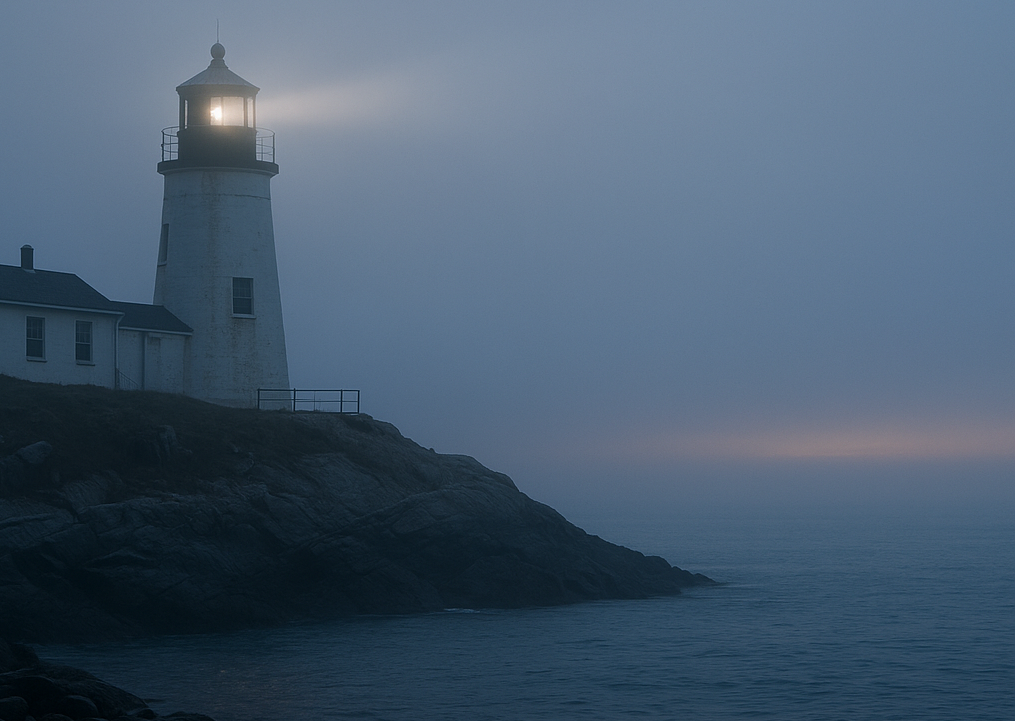
Fog Watch at Pre-Dawn with a Lighthouse Keeper: The Ultimate, Unforgettable Guide
The night is at its thinnest just before dawn. The sea is a dark slate, the headland cold enough to nip your fingertips, and the world is mostly sound. Somewhere beyond the cliff, a bell moans; closer in, a low horn tumbles across the water like breath through a giant’s throat. You stand beside a keeper’s door—sometimes a working lightstation, sometimes a restored keeper’s cottage that opens to guests or volunteers—waiting to be invited into a routine that predates your alarm clock by centuries: fog watch.
This isn’t a bus tour with a lighthouse at the end. It’s a small, precise window into coastal work that rarely asks for attention unless weather closes in or mariners need an extra sense to navigate. If you’ve ever wanted to borrow a profession for a morning, to trade your screen for a logbook and your commute for a headland path in the blue hour, this is where to begin.
Below you’ll find a field-tested, year-round plan for arranging and living a pre-dawn fog watch with a lighthouse keeper or ranger team—plus the gear that actually helps at 4:30 a.m., the etiquette that keeps wildlife and people safe, and the practical how-tos (from tides to radios to accessible alternatives) that make the whole thing run smoothly. It’s written to stay relevant long after you bookmark it, and it’s packed with neutral, reputable references you can trust at the very end.
Table of Contents
What “fog watch” really means (and what it doesn’t)
Most coastal lights today are automated. Keepers, where they exist, are rangers, technicians, or stewards who maintain equipment, lead tours, and watch conditions on busy days. “Fog watch” in a modern context is the quiet practice of monitoring visibility and marine traffic during poor conditions, confirming that aids to navigation—lights, racons, sound signals—are working as designed, and communicating as needed with park teams or mariners. On many coasts, sound signals are now mariner-activated via VHF radio rather than running continuously; a vessel can trigger the horn by keying a specific channel multiple times (the exact channel varies by district and station—always check the current official light list for your region).
Crucially, your role as a guest or volunteer is to observe and help with permitted tasks under staff direction—not to operate aids to navigation. Fog watch is about attention, not heroics: watching weather, listening, logging, keeping paths safe, and—if you’re volunteering—greeting early walkers who appear out of the mist.
The best ways to arrange a pre-dawn lighthouse experience
You have three reliable routes. Choose based on how hands-on you want to be, where you’re traveling, and whether you prefer a hosted stay or a volunteer stint.
1) Stay overnight in a keeper’s cottage (hosted stays)
In several regions, historic keeper’s cottages have become legal accommodations. You get a bed by the sea and, with prior arrangement, early access to walk with staff before the crowds. On the Oregon Coast, for example, the Heceta Head Lightstation runs a well-known bed-and-breakfast in the restored keeper’s home; guests can walk up to the lighthouse and, when arranged in advance, catch pre-dawn conditions with staff. Similar stays exist in Ireland through the Great Lighthouses of Ireland collection and across the UK through the National Trust or local lighthouse organizations. These programs change slowly and are designed for longevity; what you’ll book and when will vary, but the core experience—sleep, sea, dawn—remains.
Where to look:
- United States (select sites): historic inns such as East Brother Light Station in California (boat access; reservations essential).
- Ireland: the Great Lighthouses network offers both visit and stay experiences in multiple counties.
- UK: National Trust lighthouse cottages and private operators maintain self-catering keeper’s homes at clifftop sites.
2) Join a volunteer keeper or steward program
If you want to live the rhythm for a week, apply to a keeper program. These roles often include greeting visitors, basic maintenance, and—depending on location—tower duty during opening hours; pre-dawn time on the grounds may be possible when agreed with staff. The New Dungeness Lighthouse (Washington) and various park and nonprofit programs in the U.S. Great Lakes are well-documented examples; similar opportunities exist seasonally in national and state parks. Expect to plan months ahead
3) Book an early, staff-led visit or guided climb
Some lighthouse authorities open certain towers by guided tour only. If overnights and volunteering don’t fit, arrange the first tour of the day and ask (politely, in advance) about meeting a ranger or technician at civil dawn outside the tower, then joining the first scheduled climb once operating hours begin. In the UK, Trinity House operates several visitor centres on fixed timetables; across many countries, similar agencies manage public access under safety rules that don’t change with the season.
The pre-dawn window, explained simply (so you arrive at the right time)
You’ll see references to civil twilight and nautical twilight in planning apps. Two definitions keep your schedule sane:
- Civil twilight: begins in the morning when the sun’s center is 6° below the horizon and ends at sunrise. This is when you can still see detail without artificial light in clear conditions—a sweet spot for silhouettes, beam sweeps, and fog structure.
- Nautical twilight: begins earlier (sun 12° below the horizon). It’s dimmer and bluer; you’ll want a headlamp for footpaths and steps.
Learn more about Civil & Nautical twilight on the US National Weather Service
If you want the keeper’s first impressions of the day—wind direction, cloud deck, cloud base, fog height—arrive by nautical twilight. If you’re focused on photographs that balance beacon glow with land detail, arrive for civil twilight.
What you’ll actually do on a fog watch (guest edition)
Before the walk: Quick check-in at the keeper’s door: footwear, headlamp (red mode on), layers, gloves, ear protection in pocket. If you’re in a working park unit, you’ll sign a pre-access note. On many historic sites, upper towers will remain locked until public hours for safety and conservation—expect your dawn time to be outdoors on paths and platforms.
On the headland: The keeper (or ranger) looks first to the sea: swell period, wind, boat lights, visibility against a fixed marker. You listen—foghorns from buoys, surf tone, even the bark of sea lions if you’re in range. You may jot a time and note in the guest log while the staff member logs the official observation. If it’s a mariner-activated horn station, you might learn how mariners request the sound signal over VHF radio (you won’t operate it; you’ll understand it)
If the horn sounds: Modern fog signals vary from compressed-air horns to pure tone oscillators; they can be very loud at close range. Protect your hearing when you’re near any active sound signal—long-term noise exposure above ~85 dBA is hazardous, and many fog horns exceed that at short distances. Pack earplugs.
When the fog thins: You’ll likely help tidy paths, check signage, and prepare for the first visitors. If you’ve booked a formal tour later, you’ll transition from borrowed routine to regular guest.
Safety that matters at 5 a.m.
1) Tides and swell
Coastal fog watch often means wet rock and blind corners. Don’t get cut off by a rising tide and don’t step onto slick algae in the intertidal zone. Always check official tide predictions for the nearest station before you set alarms; they’re published for the year ahead, so you can plan far in advance and avoid day-of surprises. On the day, verify conditions with lifeguards or local notices where available, and never turn your back to waves.
2) Fog and navigation awareness
Fog below one mile of visibility is dangerous on land and sea. If you’re driving predawn to a trailhead, leave extra time and keep headlights on low beam; if you’re transferring by boat to an offshore light (rare, pre-arranged only), confirm that the operator is following marine fog protocols (radar, AIS, sound signals, etc.). As a visitor, your job is to reduce risk: walk slowly, stay behind rails, and speak up if a path feels unsafe.
3) Wildlife distance and drone rules
Coasts are nurseries. Keep your distance—at least 100 yards from whales and at least 50 yards from dolphins, porpoises, seals, and sea lions in U.S. waters, with stricter distances for some species and locations. If your pre-dawn route includes a protected headland or rookery, expect seasonal closures. Drones: in U.S. national parks, launching, landing, or operating drones is prohibited except by special permit—plan to leave the drone at home for park-managed lights. Rules differ internationally; always check the site manager’s policy.
Gear that actually earns its space in your pre-dawn pack
- Footing: Waterproof, grippy shoes (rock algae, dew, and fog drip make boardwalks and steps slick).
- Light: Headlamp with red mode and a small hand torch. Red preserves night vision and disturbs wildlife less; switch to white only on steps or where staff requests.
- Layers: Baselayer + fleece + windproof shell. Fog amplifies wind chill.
- Ear protection: Foam earplugs in a tiny tin—use if a sound signal is active nearby (or if surf is thunderous in sea caves).
- Notebook + pencil: Fog wets ink; graphite never fails.
- Thermos + snack: Warm fluids help you linger in the blue hour without shivering judgement.
- Phone in a dry pouch: For notes, not for soundtrack. If you want photos, read the section below.
- Microfiber cloth: For lens or glasses when the mist beads up.
- Hi-vis patch or strap: A discreet reflective band helps staff spot you on paths.
Photography, without the clichés
Fog is a light modifier, not a subject. Treat it like a softbox for the entire headland. Use civil twilight to pull detail from both tower and land; use nautical twilight for silhouettes and fog beam shots. Choose angles that respect roped-off habitat and keep your feet on established paths.
Practical tips that keep working year-round:
- Find the bright/dark boundary. When the beacon sweeps or a horn housing glows with a safety light, shoot just to the “edge” where contrast lives.
- Work the wind. Face into the breeze for a cleaner front element, and turn your body to shield the lens.
- Go ear-first. If you can hear a buoy bell or horn clearly, you’re in clean sound air; often that’s where fog reveals shape for photographs.
- Use twilight wisely. Civil twilight ends at sunrise when the sun’s center is 6° below the horizon; set your arrival to straddle it.
Ethics that keep the place—and the routine—intact
- Leave what you find. Tidepools and wrack lines are living systems; never collect, move, or handle wildlife. Many protected shores prohibit taking even “empty” shells or rocks. If a ranger says “hands-off,” they’re echoing federal protections.
- Leash and lead. Keep dogs on lead near cliffs and seabird habitat; choose signed dog paths only.
- Lights down. Avoid direct beams into nests, roosts, and the lantern room (glass and birds don’t mix).
- Noise down. Use quiet voices near homes at dawn; remember that for some residents, the fog horn is already a lot.
How to pick your lighthouse for a fog-watch morning
Use this framework anywhere in the world—Pacific headlands, Irish capes, Great Lakes breakwaters, or Scottish cliffs.
1. Decide your format
- Hosted stay: book a keeper’s cottage or inn with walking access to the light. Seek a property with on-site staff and established dawn etiquette. (Examples in the U.S., Ireland, and UK abound.)
- Volunteer week: apply to a keeper or host program and request permission for pre-dawn grounds access on non-public paths. Be ready to work with visitors later that day.
- First tour: if the site opens by guided climb, arrange to meet staff at civil dawn outside the tower and join the first climb once open.
2. Check access reality
Historic towers often mean stairs, narrow doors, and uneven ground. Accessibility varies due to preservation rules; many sites provide accessible viewpoints even if the tower itself isn’t barrier-free. Contact the manager early to discuss alternatives that deliver the same experience value without unsafe climbs.
3. Choose a fog-friendly season
You don’t need a “fog season” to meet fog, but coastal summer mornings on certain headlands can be reliably misty. If a park or authority publishes weather patterns for planning—as some do—use those notes as general guidance, not guarantees.
4. Map hazards in advance
Study official tide predictions for your date (annual tables are public). Add a safety buffer to every headland out-and-back, and if a lifeguard service or coastal rescue authority publishes local cautions, bookmark them.
5. Understand the horn
Some horns are on-demand. Mariners request them by radio (channel varies by district; the method is published in the official light list and weekly updates). As a visitor, you do not key the horn—your value is in knowing why you might hear it.
Timeline: an example pre-dawn with a keeper (adjust for your latitude & season)
T-90 minutes (nautical twilight): Meet on the path. Headlamp to red, layers zipped. Keeper scans horizon. You listen for buoys and surf and make the first note in your pocket log—wind, visibility, cloud ceiling if visible over the headland.
T-60: Walk to a signed platform or railed path. If a horn is mariner-activated, the keeper may brief you on how vessels request signals and what that sounds like on VHF (you listen; no hands on the radio). If you’re on an island light with boat access, you’ll be well away from the horn housing. If the horn may sound, pop in earplugs.
T-30 (civil twilight begins): The fog shows its layers. Shoot a beam cut, a keeper’s silhouette, or the swell line under the headland. You’ll also check your route back against the tide time you printed the night before.
T-10: Short loop toward the lantern gallery (if open) or along the signed path for your safest vantage. Stay behind rails, and don’t step onto algae-dark rock.
Sunrise to +30: The workday starts. You thank your early host, warm fingers on your thermos, and decide whether to join the first tour, begin your volunteer shift, or walk out to a higher overlook for a look-back shot as the fog lifts.
Accessibility, candidly
Historic lighthouses weren’t built for lifts. That doesn’t mean the experience is closed to you if you use a wheelchair, have low vision, or simply don’t do spiral stairs at dawn. Many sites provide program accessibility—equivalent experiences through ground-level viewpoints, remote camera feeds, ranger-led talks outdoors, and accessible routes to the best headland overlooks. When you write ahead, ask the manager to help you design a dawn plan that avoids stairs while still placing you in the coastal routine. (In the U.S., federal and agency policy requires program access even when full structural access isn’t feasible for historic properties.)
Cost, permits, and etiquette
- Costs vary: hosted stays are priced like boutique inns; volunteer programs may be free or have small fees; guided tours are usually the most affordable. These numbers change, but the booking etiquette doesn’t—reserve early, read the confirmation carefully, and respect quiet hours. (For island inns with boat transfers, plan for weather holds.)
- Permits: You won’t need special permits to observe fog watch with staff at public sites, but you may need permission for tripods, commercial shoots, or pre-opening access. Ask plainly in advance.
- Drones: If your site is inside a U.S. national park unit, assume drones are prohibited without a permit; many international managers have similar restrictions near wildlife or heritage structures.
Micro-skills that make you a welcome dawn companion
- Quiet competence: Move slowly, speak softly. Dawn is when wild neighbors (and sleeping human ones) are most sensitive.
- Path discipline: Stay behind rails and within signed areas; never climb a parapet for a “better” angle.
- Two-way courtesy: If a runner or angler appears in fog, give space and keep your headlamp low.
- Weather literacy: Learn to read the difference between high cloud pushing diffuse light and a low marine layer that might burn off late. You’ll make better photo choices—and earn your keeper’s nod.
- Ear care: Respect the horn. If it’s active nearby, pop in earplugs without drama. The science is boringly clear: extended exposure to loud sound damages hearing.
For tidepool detours after sunrise
If your fog watch segues into tidepooling along the base of a headland, adopt gentle feet. Stand on bare rock, avoid stepping on barnacle mats, and keep fingers off anemones and sea stars. In protected areas, taking anything—living or dead—is typically illegal. Save the collecting for photographs.
Regional inspiration (evergreen ideas, not fixed itineraries)
- A boat-access island light with hosted rooms (West Coast, U.S.): arrange your boat transfer the afternoon before, watch last light from the gallery if open, then meet pre-dawn on the south or west platform for windward fog. (This is the soulful, cork-on-a-string version of lighthouse life.)
- A clifftop B&B beside an active light (Pacific Northwest): sleep in the keeper’s house, walk up through the salal predawn, and stand in the lee of the lantern room to watch fog peel off the head. Join the first tour once public hours start.
- A self-catering keeper’s cottage (Ireland or Scotland): stock the kitchen, print the tide table, and plan a dawn loop on signed paths past the fog signal house. If conditions are poor, open the cottage door and listen; sometimes sound is the day’s best memory.
- A guided visitor center (UK): book the earliest climb offered in shoulder season; meet staff at civil dawn on the ground outside the tower for a short weather chat, then take the first ascent when doors open.
Common mistakes (and how to dodge them)
- Showing up at sunrise: You just missed the most useful light on a foggy morning. Aim for the start of civil twilight
- Ignoring tides: A pretty low-tide rock becomes a trap an hour later. Print the tide predictions and time your turnaround with a margin.
- Blasting white light: Swap to red when you don’t need white; others (and wildlife) will thank you.
- Underestimating sound: Foghorns can exceed safe levels at close range. Earplugs are lighter than regret.
- Flying a drone where it’s banned: Many lighthouse headlands are inside protected lands; rules exist to reduce wildlife disturbance and visitor conflict.
A keeper-approved packing checklist (short and honest)
- Weatherproof footwear with tread
- Layered warmth (baselayer, midlayer, windproof shell)
- Headlamp (red mode) + compact torch
- Earplugs (for active horns or loud surf)
- Dry bag or pouch for phone and notebook
- Microfiber cloth for lens or glasses
- Thermos with something hot + small snack
- Small reflective band for predawn paths
- Printed tide predictions for your station (or offline copy)
Frequently asked questions
Can I go inside the lantern room before opening hours?
Usually not. Towers are historic structures with strict access rules. Expect outdoor paths only before public opening; then enjoy the first scheduled climb if offered.
Will I definitely hear a foghorn?
Not necessarily. Some stations only sound by mariner activation over VHF (varies by site and district). That means no vessel nearby, no horn—still a perfect morning for watching fog.
How early is too early?
Arrive for nautical twilight if you want the full transformation; civil twilight is the safer default if you’re unfamiliar with the paths.
Is this safe with kids?
Yes, with rails, common sense, and a short route. Keep them behind barriers, hold hands on steps, and avoid tidepools unless you’ve checked the tide and are staying on dry rock.
What if I use a wheelchair or don’t do stairs?
Ask for the best accessible headland viewpoints and a dawn talk in place of a tower climb. Program accessibility is a requirement for public sites even when full structural access isn’t feasible for historic towers.
Can I bring a drone for fog-over-light shots?
Assume no at U.S. national parks and many protected coasts without a specific permit; rules exist to protect wildlife and the visitor experience.
Why all the fuss about earplugs?
Because hearing damage is permanent and foghorns can be extremely loud up close. Occupational safety research recommends limiting prolonged exposure above ~85 dBA and reducing time further as levels rise. Foam plugs weigh grams.
The payoff
You came to “borrow” a routine. You leave with a practiced kind of attention: the patience to watch a gray wall turn to a window, the habit of checking a tide time before your feet itch, the reflex to lift your earplugs the second the horn’s echo fades. Fog watch is humble on paper. In practice, it’s some of the best quiet you’ll ever earn.
Author
tistreotour.com Field Team — We specialize in immersive, low-impact itineraries that place readers inside working routines (coastal, alpine, desert) without getting in the way. Our lighthouse coverage draws on first-person dawn shifts with ranger and keeper teams across multiple coastlines, volunteer stints at public lightstations, and years of trip design that blends weather literacy with safe access.
Editorial Standards
Every guide is edited for factual integrity, safety clarity, and traveler value; we cite primary agencies (coast guards, weather and tide authorities, park services) and avoid transient details (prices, seasonal timetables) so your plan stays valid beyond a single season.
References (footnotes)
- U.S. Coast Guard Light List (Districts 11, 13, 14, 17): official aids to navigation, including notes on mariner-activated sound signals. https://www.navcen.uscg.gov/sites/default/files/pdf/lightLists/LightList_V6_2025.pdf
- USCG Weekly Updates (example: V6) — mariner-activated horn instructions (e.g., VHF-FM channel triggers; varies by station). https://www.navcen.uscg.gov/sites/default/files/pdf/lightLists/weeklyUpdates/v6WeeklyChanges.pdf
- National Weather Service (NOAA) — Fog safety overview for mariners and drivers. https://www.weather.gov/safety/fog-boating; https://www.weather.gov/safety/fog
- NOAA Tides & Currents — Tide Predictions User Guide and annual table interface (plan months in advance). https://tidesandcurrents.noaa.gov/education/tech-assist/training/user-guides/assets/pdfs/Tide_Predictions_User_Guide_v4.pdf; https://tidesandcurrents.noaa.gov/PageHelp.html
- RNLI (UK) — Tide safety guidance (avoiding cut-offs, understanding tidal range). https://rnli.org/safety/know-the-risks/tides
- NOAA Fisheries — Marine life viewing distances (100 yards for whales; 50 yards for dolphins, porpoises, seals, sea lions; stricter rules for some species). https://www.fisheries.noaa.gov/insight/viewing-marine-life; https://www.fisheries.noaa.gov/topic/marine-life-viewing-guidelines/guidelines-and-distances
- National Park Service (U.S.) — Uncrewed aircraft policy (Policy Memo 14-05; drone prohibition in national parks except under permit). https://www.nps.gov/articles/uncrewed-aircraft-in-the-national-parks.htm
- NIOSH/CDC & OSHA — Noise exposure guidance (85 dBA REL; OSHA exposure durations; hearing protection rationale). https://www.cdc.gov/niosh/noise/prevent/understand.html; https://www.osha.gov/noise
- NOAA (technical paper) — Fog horn acoustic data example (signal level at 1 m). https://repository.library.noaa.gov/view/noaa/46213/noaa_46213_DS1.pdf
- NWS & U.S. Naval Observatory — Definitions of civil and nautical twilight (sun 6° and 12° below horizon). https://aa.usno.navy.mil/faq/RST; https://www.weather.gov/fsd/twilight: aa.usno.navy.mil
- Leave No Trace — Tidepool etiquette and coastal low-impact guidance. https://lnt.org/tips-for-tide-pooling/; https://lnt.org/preserve-paradise-your-guide-to-leave-no-trace-at-beaches-tidepools/
- National Park Service (U.S.) — Intertidal safety and protected-area rules. https://www.nps.gov/cabr/learn/intertidal-field-guide.htm; https://www.nps.gov/cabr/learn/nature/tidepools.htm
- Heceta Head Lighthouse B&B — Official lodging near an active U.S. lighthouse (example of hosted keeper’s home stay). https://www.hecetalighthouse.com
- Great Lighthouses of Ireland — Network of visit/stay experiences in keeper’s cottages. https://www.greatlighthouses.com/ “Stay at a Lighthouse.” https://www.greatlighthouses.com/stories/stay-at-a-lighthouse
- National Trust (UK) — Lighthouse keeper’s cottages (self-catering examples). https://www.nationaltrust.org.uk/holidays/cottages/lighthouses; example listing: Lighthouse Keeper’s Cottage 1. https://www.nationaltrust.org.uk/holidays/northumberland-north-east/lighthouse-keepers-cottage-1
- East Brother Light Station (CA) — Example of a boat-access lighthouse inn https://ebls.org/; reservations/what’s included: https://ebls.org/about/reservations
- New Dungeness Lighthouse Keeper Program (WA) — Example volunteer keeper week. https://newdungenesslighthouse.com/keeper-program/
- Trinity House (UK) — Lighthouse visitor centres and guided access model. https://www.trinityhouse.co.uk/lighthouse-visitor-centres; trinityhouse.co.uk
- NPS Accessibility (laws and policy) — Program accessibility and historic properties context. https://www.nps.gov/subjects/accessibility/laws-and-policy.htm U.S. Access Board ADA Standards overview. https://www.access-board.gov/ada