
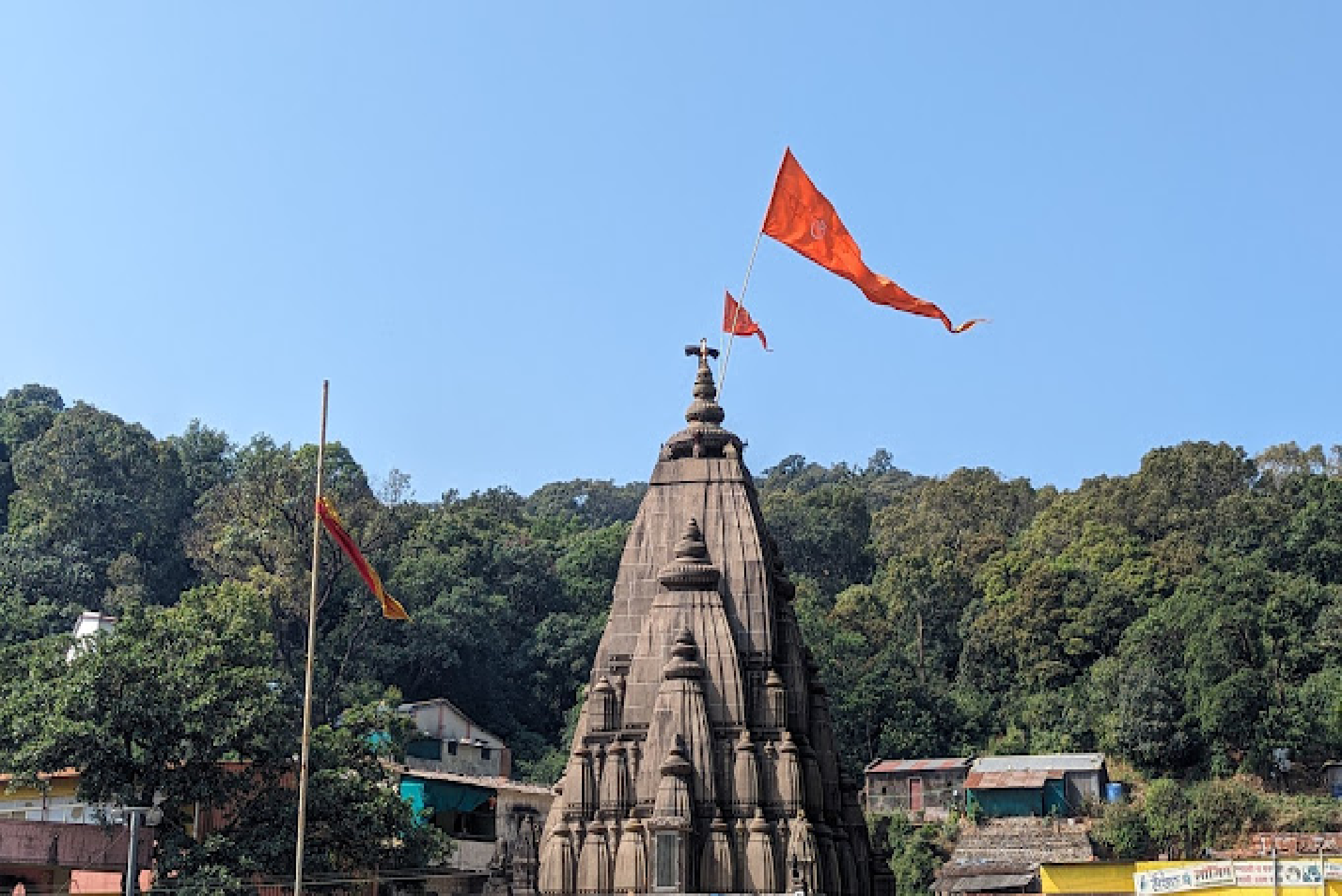
Bhimashankar Jyotirlinga Travel Guide: Temple Darshan, Forest Trails, and the Sahyadri Escape You’ll Remember
There are places you visit, and places you enter. Bhimashankar Jyotirlinga is the second kind.
The road into the Sahyadris starts like any other drive out of Pune or Mumbai—highways, towns, chai stalls you could name in your sleep. And then, almost without warning, the air changes. The heat thins. Trees thicken. Hills rise and fold into one another like green waves. You catch the first whiff of wet earth and leaf-musk even when it hasn’t rained. The bus windows fog. Your phone signal stutters. You’re climbing into a cradle of forest and faith.
If you’re coming for the Bhimashankar Jyotirlinga—one of India’s twelve most revered Shiva shrines—this shift feels like a quiet invitation. If you’re coming for the Bhimashankar Wildlife Sanctuary, it feels like a promise. If you’re coming for the trek, it feels like the trail is already watching you arrive.
Either way, Bhimashankar doesn’t do half-measures. It’s pilgrimage and wildness, morning bells and misty ridgelines, a village that sleeps early and a forest that never sleeps at all.
This guide is for the traveler who wants the full Bhimashankar experience: not just a quick darshan, not just a selfie at the gate, but the layered, lived-in version that lingers long after you’re back in the city.
Table of Contents
Where Bhimashankar Sits in the Sahyadris (and Why That Matters)
Bhimashankar Temple is perched deep inside the Western Ghats, around 900–1,000 meters above sea level. The temple village is part of Pune district, set close to the origin of the Bhima River, and wrapped by protected forest.
Why does that geography matter?
Because Bhimashankar is not a temple you drive to in the middle of a plain and walk into. It’s a temple you reach by ascending—through ghats, bends, and thick jungle. The journey itself is part of the meaning. Even if you’re not religious, the landscape prepares you in an oddly gentle way: a slow detachment from noise, deadlines, and the usual speed of life.
And because it’s inside a sanctuary, your visit naturally extends beyond the temple walls. You’ll see giant squirrels flashing across branches, hear birds you don’t know how to name, and feel the weather shift five times in a day. Bhimashankar is sacred not only for who it houses, but for where it lives.
A Quick Orientation: The Three Faces of Bhimashankar
Most visitors come for one of these, and then realize they want all three.
- The Bhimashankar Jyotirlinga Temple
The spiritual heart of the place, alive with rituals from dawn to night. - The Bhimashankar Wildlife Sanctuary
A biodiverse forest reserve created to protect the Malabar (Indian) Giant Squirrel—locally called Shekru. - The Bhimashankar Trek & Sahyadri Trails
Two main climbing routes (Ganesh Ghat and Shidi Ghat), plus gentler sanctuary walks like Gupt Bhimashankar.
Plan for at least a full day and an overnight if you want Bhimashankar to open up properly.
The Temple Experience: What Darshan at Bhimashankar Feels Like
Let’s start with the core.
You approach the temple through a narrow bazaar lane—shops selling bel leaves, rudraksha malas, small brass tridents, incense, and steaming tea. The air smells of camphor and rain-soaked stone. During busy seasons, the lane becomes a moving river of devotees. On quieter days, it feels like a village street that happens to lead into the divine.
The Bhimashankar Jyotirlinga sits inside a stone sanctum that stays cool even in peak summer. What catches many first-timers off guard is the intimacy of the space. This isn’t a grand, echoing cathedral of a temple. It’s compact, grounded, almost close enough to whisper to.
The linga itself is a swayambhu (self-manifest) form of Shiva. Devotees pour water and milk in gentle rhythms; priests guide queues with firm kindness. There’s a sense of “continuous worship” here—like the temple is never fully off-duty.
The Mood Through the Day
- Early morning brings the cleanest energy. The temple opens before sunrise, and the first aarti feels like light being poured into the hills. If you want a calmer darshan, arrive close to opening time.
- Late morning to afternoon is when crowds typically swell. You’ll still move steadily, but expect a more bustling atmosphere.
- Evening is quietly beautiful. The forest cools, lamps glow, and the temple feels softer. If you’re staying overnight, don’t skip the dusk aarti.
Typical Darshan and Aarti Flow
Temple rituals start at dawn with Kakada Aarti, followed by hours of darshan and abhishekam, a midday naivedya break, and evening aartis before closing at night. Schedules can vary by season and festival, so it’s wise to confirm locally when you arrive, but the rhythm is steady: morning devotion, midday pause, evening glow.
What to Wear & Carry
- Modest clothing is expected. Think covered shoulders and knees.
- Carry a light shawl or jacket even in summer. Bhimashankar evenings can surprise you.
- If you plan abhishekam, buy offerings from the bazaar outside to avoid last-minute rush inside.
- Footwear stays outside; wear something easy to slip on and off.
The Architecture in a Nutshell (Only What You Need to Know)
You don’t need a long history lecture to appreciate it. Notice instead:
- The temple’s dark stone work and sturdy build, typical of Hemadpanti influence.
- A Nagara-style shikhara rising above the sanctum, giving the structure its vertical lift.
- Carved pillars and door frames that feel less ornamental and more like a stone language of devotion.
It’s a temple that feels earned—not flashy, not performing for tourists, just quietly holding its ground in the forest.
Small Shrines and Sacred Corners Inside the Complex
Bhimashankar isn’t a single stop. It’s a web.
As you walk the complex, keep an eye out for these quieter spaces:
- Shani Mandir inside the premises, often visited after Jyotirlinga darshan.
- Kamalaja Devi Temple, a small but significant shrine linked to Parvati.
- Nandi Mandap, where Shiva’s bull faces the sanctum in evergreen patience.
- The ancient bell near the temple, a giant bronze presence that pilgrims pause to admire.
These are not “extras.” They are part of how the place has been prayed into being over centuries.
Moksha Kund, Sarvatirth, and the Bhima River’s Quiet Birth
Walk behind the main temple and you’ll reach a calmer zone where many visitors slow down instinctively.
Moksha Kund
A small sacred water tank tucked into the forest edge. Pilgrims often bathe or sprinkle water here before darshan. Even if you don’t follow the ritual, pause. The kund is shaded, cool, and surprisingly meditative—like a pocket of stillness that survives every crowd.
Sarvatirth
A little further south lies Sarvatirth, associated with the origin of the Bhima River. The river’s beginning here doesn’t look dramatic; it feels humble, almost shy. But that’s part of the charm—Sahyadri rivers start as whispers before they become maps.
Gupt Bhimashankar: The Forest Walk Most People Miss
If you do only one nature experience at Bhimashankar, do this.
Gupt Bhimashankar is a hidden shrine in the sanctuary—reached by a forest trail beginning near the temple area. The word gupt means “secret,” and the trail earns the name. The path feels like a green tunnel. You walk under thick canopy, across small streams in monsoon, over roots that look like old knuckles gripping the earth.
Expect about 30–45 minutes of easy walking one way. It’s not a hard trek; it’s a slow immersion.
At the end, the shrine appears near a waterfall, and depending on the season you might see the linga with water spilling nearby. It’s quieter than the main temple, more intimate, and deeply atmospheric. Birds call overhead, and the air is cooler here by several degrees.
Travel tip: Carry water and keep your voice low. The forest responds to respect.
Bhimashankar Wildlife Sanctuary: Entering a Living Ecosystem
Even if you’re not a “wildlife person,” Bhimashankar will make you one for a few hours.
The sanctuary spans around 130 square kilometers of Western Ghats forest. It was established primarily to protect the Indian Giant Squirrel (Shekru)—the state animal of Maharashtra—whose multicolored fur flashes like a moving painting through the trees.
What You Can See (If You Stay Quiet and Patient)
- Shekru / Malabar Giant Squirrel: Look up, especially early morning. You’ll spot a big, bushy tail before you see the body.
- Langurs and macaques near trails and village edges.
- Leopard signs exist, though sightings are rare.
- Sambar and barking deer in deeper zones.
- A rich spread of butterflies and monsoon amphibians.
Bhimashankar is also a solid birding destination. Western Ghats species shift by season, and mornings are most active.
Best Ways to Experience the Sanctuary
- Gupt Bhimashankar Trail
The easiest and most rewarding for casual walkers. - Short forest loops near the village
Great for sunrise or a quick post-darshan stroll. - Longer treks from Bhorgiri side
Ideal if you want deeper sanctuary immersion (more on trekking next).
Wildlife etiquette: No loud music. No feeding animals. No plastic tossed “just this once.” Bhimashankar’s ecology is delicate—every visitor shapes it.
The Bhimashankar Trek: Two Routes, Two Personalities
If you’re looking at Bhimashankar as a trek, you have two classic approaches. Both rise through forest and stone stairs, both end at the temple plateau, but they feel very different under your feet.
1. Shidi Ghat (The Ladder Route)
- Personality: Adventurous, steep, iconic.
- Terrain: Rocky steps, iron ladders, slippery patches in monsoon.
- Duration: Roughly 3–4 hours ascent depending on pace.
- What it feels like: A vertical conversation with the Sahyadris. You pull yourself up ladders, pause at ledges, and feel the forest closing in around your shoulders.
Who it’s for: Anyone with moderate fitness who enjoys a bit of thrill.
Who should skip: Those with vertigo or knee trouble, especially during rain.
2. Ganesh Ghat (The Wider Trail)
- Personality: Gradual, scenic, beginner-friendlier.
- Terrain: Broad stone steps, forest paths, gentler inclines.
- Duration: Around 4 hours ascent at a relaxed trekking pace.
- What it feels like: A steady climb where your mind can wander. You pass through villages, shaded groves, and viewpoints that open gently rather than suddenly.
Who it’s for: Beginners, families, and trekkers who want views without ladders.
Trek Timing and Ground Reality
- Start early. Even in winter, the climb warms you quickly. In monsoon, early starts avoid peak slipperiness.
- Carry at least 2 liters of water. Water sources are seasonal and unreliable on the trail.
- Footwear matters. Proper grip shoes aren’t optional.
- Pack light. You’ll thank yourself after hour two.
The Reward at the Top
Both routes deliver you to Bhimashankar village with quiet drama: fog hanging in the trees, chai steam rising from stalls, bells drifting through the canopy. The temple feels like it has waited for you to arrive.
Even if you don’t intend to do darshan, most trekkers end up stepping in. Not out of obligation. Out of curiosity. Out of a strange affection for the climb that led them there.
Other Things to Do Around Bhimashankar
Once you’ve done darshan, Gupt Bhimashankar, and maybe one trek, what else?
Quite a bit—if you’re willing to slow down.
Hanuman Lake
A small lake close to the temple zone, surrounded by trees. It’s a good wind-down spot—quiet, reflective, and photogenic in the softer hours of morning or late afternoon.
Bring a snack, sit by the edge, and let the forest do its work on your nervous system.
Village Wander & Tribal Culture
Bhimashankar village and surrounding hamlets are home to tribal communities who’ve lived with these forests for generations. You’ll see small farms, forest produce stalls, and local rhythms that feel unhurried.
Be respectful with photos and conversation. A smile and a greeting go a long way here.
Sunrise and Mist Watching
This sounds simple, but in Bhimashankar it’s almost an “activity.” The hills create a bowl for clouds. In monsoon and early winter, mist moves through the valleys like slow rivers in the air.
Find an open patch near your stay or along the ghat road, and just watch the light arrive.
When to Visit Bhimashankar (And What Each Season Feels Like)
Bhimashankar changes personalities by season. Pick the one that matches the trip you want.
Monsoon (June to September)
- Mood: Wild, lush, cinematic.
- Pros: Waterfalls on trails, rich green canopy, fewer harsh temperatures.
- Cons: Slippery treks, foggy roads, leeches in deeper forest.
If you love rain-fed landscapes and don’t mind getting muddy, this is Bhimashankar at its most alive.
Winter (October to February)
- Mood: Crisp, calm, pilgrimage-friendly.
- Pros: Best visibility, comfortable trekking weather, cool nights.
- Cons: Crowds on weekends and festivals.
This is the safest, easiest season for a first visit.
Summer (March to May)
- Mood: Quiet and dry.
- Pros: Fewer crowds, clear skies.
- Cons: Warm days, trails feel harsher, forest looks less lush.
Summer suits travelers who want solitude more than scenery.
How to Reach Bhimashankar
From Pune
Bhimashankar is around 110 km from Pune, typically a 3–4 hour drive depending on your route and traffic. You can:
- Drive or hire a cab: Scenic ghats after Manchar, lots of bends in the last stretch.
- Take an MSRTC bus from Shivajinagar/Wakdewadi area: multiple daily services.
From Mumbai
Mumbai to Bhimashankar is roughly 210–220 km. The drive runs about 5–6 hours, longer on busy weekends.
Common approach: Mumbai → Pune Expressway → Manchar → Bhimashankar.
The Last Stretch
The final hill road is narrow and winding. In monsoon, potholes and fog are common, so drive cautiously and avoid night descents if you’re not confident on ghats.
Getting Around Once You’re There
Bhimashankar village is walkable. Most key points—temple, bazaar lane, Gupt trail start—sit within a compact radius.
For picnic spots or ghat viewpoints, you might use your vehicle or hire a local jeep if available.
Where to Stay: From Simple to Forest-Immersed
Your choice depends on why you’re here.
1. Temple-Run Bhakt Niwas and Dharamshalas
Basic rooms near the temple, designed for pilgrims. Expect clean bedding, simple bathrooms, and early curfew vibes.
Best for: Budget travelers, families, darshan-focused trips.
2. MTDC Resort / Government Lodging
A bit away from the immediate temple crowd, usually more structured, with steady services.
Best for: Travelers who want reliability and quieter nights.
3. Private Resorts and Jungle Stays
Small resorts and homestays on the outskirts (Terungan, Karkudi, Patilwada belts). Some offer balcony views into forest, bonfires, and guided nature walks.
Best for: Couples, photographers, slow travelers.
Booking tip: Weekends and monsoon slots fill quickly. Reserve ahead if your dates are fixed.
What and Where to Eat
Bhimashankar isn’t a “food destination,” but it feeds you well in a mountain-village way.
- Near the temple bazaar, you’ll find Maharashtrian staples: poha, bhakri-pithla, vada-pav, misal on some stalls, tea that tastes extra good at altitude.
- Most stays serve thalis—simple, hot, and comforting after a trek.
- Carry light dry snacks if trekking.
Don’t expect late-night cafés. Bhimashankar sleeps early. The forest doesn’t.
Ideal Itineraries
One-Day Bhimashankar (Pilgrimage + Nature)
- Arrive early morning.
- Darshan and temple complex exploration.
- Walk to Moksha Kund and Sarvatirth.
- Gupt Bhimashankar trail.
- Hanuman Lake break.
- Return by evening.
Two-Day Bhimashankar (The Full Experience)
Day 1
- Reach by noon.
- Settle in and explore village.
- Evening darshan and aarti.
- Quiet night.
Day 2
- Sunrise in the hills.
- Trek (if you’re ascending from village, pick a short sanctuary loop instead).
- Gupt Bhimashankar + forest time.
- Late afternoon departure.
Practical Tips That Make a Big Difference
- Weekdays are calmer. If you want a quieter darshan and trails, avoid weekend midday hours.
- Carry cash. ATMs and network can be unreliable.
- Respect wildlife space. Shekru sightings happen when you’re still and patient.
- Pack a rain layer year-round. Hills surprise you.
- Don’t rush the visit. Bhimashankar is a place that reveals itself slowly.
Why Bhimashankar Stays With You
Maybe it’s the temple bells echoing into cedar-thick silence. Maybe it’s the way the forest feels like a living, breathing cathedral. Maybe it’s that moment on the trek when you look back and realize you’re above the clouds.
Or maybe it’s something simpler: the feeling of being in a place where devotion and ecology don’t compete—they coexist.
In Bhimashankar, the sacred isn’t just in the sanctum. It’s in the moss on old stones, the silver mist in the treetops, the sudden rustle of Shekru leaping between branches, and the quiet joy of arriving somewhere that asks you to slow down and notice.
So when are you going?
And when you do, what will you come for first—the darshan, the trek, or the forest?
Chances are, you’ll leave with all three
References
- Bhimashankar Temple – Official Schedule & Darshan Timings
https://shreebhimashankar.com/en/temple-schedule/ - Bhimashankar Temple – Alternate Schedule & Aarti Timings
https://bhimashankar.in/bhimashankar-templeschedule.html - Maharashtra Tourism – Bhimashankar Temple Overview (Hemadpanti/Nagara Architecture)
https://maharashtratourism.gov.in/temple/bhimashankar/ - Bhimashankar Wildlife Sanctuary – Overview & Shekru Conservation (Wikipedia)
https://en.wikipedia.org/wiki/Bhimashankar_Wildlife_Sanctuary - Maharashtra Tourism – Biodiversity & Malabar Giant Squirrel Information
https://maharashtratourism.gov.in/nature/bhimashankar/ - Indiahikes – Bhimashankar Trek (Ganesh Ghat / Shidi Ghat) Route, Duration & Altitude
https://indiahikes.com/documented-trek/bhimashankar-trek - Pune to Bhimashankar – Distance, Road Route & Travel Guide (Savaari)
https://www.savaari.com/blog/pune/pune-to-bhimashankar/ - Public Transport from Pune – MSRTC Bus Connectivity (Rome2Rio)
https://www.rome2rio.com/s/Pune/Bhimashankar-Temple

