
Montgomery, Alabama Travel Guide: The Essential Things to Do, Eat, and Feel Along the River Region
Montgomery doesn’t announce itself with a single skyline moment. It reveals itself in layers—one block at a time, one conversation at a time, one river breeze at a time. You might arrive thinking you’re here for a weekend of museums, or maybe a baseball game and some good food. Then you take your first walk downtown and realize Montgomery is something rarer: a city that asks you to notice.
Notice the way the Alabama River curves past brick warehouses turned into cafés. Notice how Dexter Avenue gently climbs toward the Capitol, like a runway aimed at power. Notice how quiet streets in Cloverdale smell like jasmine when the sun drops. Notice, too, how the city holds hard stories and joyful ones in the same open hands.
If you’re looking for the best things to do in Montgomery, Alabama, this guide is built to help you plan: where to go, how to move around, what to eat, and how to pace your days so you leave feeling like you actually met the city—not just checked boxes.
Table of Contents
Getting Your Bearings: How Montgomery Flows
Montgomery’s core is compact. Most of the city’s headline attractions sit within a walkable triangle: Downtown, the Civil Rights corridor around Dexter Avenue, and the Riverfront. Beyond that, the city spreads into distinct neighborhoods—each with its own rhythm.
- Downtown & the Riverfront: museums, riverwalk, baseball, a growing cluster of restaurants and bars, and a lot of art tucked into alleys and side streets.
- Capitol Hill & Old Alabama Town: grand government buildings, leafy streets, and preserved architecture.
- Cloverdale & Midtown: cafés, indie restaurants, front-porch neighborhoods, and the city’s coziest night scene.
- EastChase & East Montgomery: modern shopping, big hotels, easy freeway access.
- Blount Cultural Park: a green cultural campus with the city’s standout fine arts museum and theater.
Because these areas are close, you can design days that swing between deep history, outdoor breaks, and a lively dinner without feeling rushed.
When to Visit Montgomery (and What the Weather Feels Like)
Montgomery has long, humid summers and mild winters. The best travel windows are late fall through early spring, when daily exploring is comfortable and evenings invite lingering outside.
- Spring brings azaleas, festivals, and warm-but-not-hot afternoons.
- Summer is real Southern heat. Plan early starts, midday indoor stops, and riverfront evenings.
- Autumn is arguably perfect: golden light, good temperatures, and the city at its most walkable.
- Winter is gentle compared to much of the U.S.—ideal for museum-heavy itineraries.
Whenever you visit, you’ll want a light rain layer and comfortable shoes. Montgomery is full of sidewalks that turn into unexpected hills, and you’ll be surprised how much you walk even when you don’t intend to.
How to Get Here and Get Around
By air: Montgomery Regional Airport (MGM) is small, straightforward, and about 15–20 minutes from downtown. Many travelers also fly into Birmingham (BHM) and drive south (about 1.5 hours).
By car: Montgomery sits at the crossroads of I-65 and I-85, which makes it an easy road-trip stop from Atlanta, Nashville, the Gulf Coast, or New Orleans.
Getting around once you’re here:
- Downtown is best on foot.
- Rideshares are reliable.
- A car helps if you want to add parks, Blount Cultural Park, EastChase, or nearby day trips.
- Parking downtown is usually simple and inexpensive, with garages near the riverfront and street parking elsewhere.
Where to Stay: Choosing a Base That Matches Your Trip
Montgomery’s lodging makes sense once you pick a vibe:
Downtown
If your main focus is civil rights sites, museums, baseball, and walking nights along the river, stay downtown. You’ll be near the Legacy Sites, Riverfront Park, and Dexter Avenue.
Cloverdale / Midtown
Want a neighborhood feel with porches, coffee shops, and restaurants you can stroll to? Cloverdale is your spot. It’s quieter than downtown but only a quick drive away.
EastChase / East Montgomery
Best for families, shoppers, and travelers who prefer newer hotels and easy freeway access. You’ll trade walkability for convenience.
Near the Legacy Sites
A growing cluster of lodging options is designed for visitors spending time at the Legacy Museum and National Memorial for Peace and Justice. It’s a thoughtful choice if those sites are central to your trip.
A First-Day Walk That Lets Montgomery Introduce Itself
Start your trip with a slow, curious loop. Even if you’re the kind of traveler who loves tight schedules, give yourself these first hours without a stopwatch.
Dexter Avenue
Begin at street level downtown and look uphill. Dexter Avenue is a gentle rise lined with storefronts, murals, and viewpoints. It leads straight toward the Alabama State Capitol, and walking it feels like following the city’s spine.
Pause at Court Square Fountain, a small downtown green where locals eat lunch and musicians sometimes drift through. There’s a lot packed into this area—coffee, history, architecture—so let yourself meander.
Riverwalk & Riverfront Park
Follow Dexter or Commerce Street toward the water until the city opens into the riverfront. The Riverwalk is a paved promenade that hugs the Alabama River, and Riverfront Park sits like an outdoor living room: an amphitheater, broad steps facing the water, a splash pad for kids, and enough green space for a lazy afternoon.
You’re likely to see joggers, families, and people simply sitting to watch the river do what rivers do—move on without hurrying.
If you’re visiting on a warm evening, this is a good place to recalibrate your sense of time. Montgomery doesn’t want to be rushed.
The Legacy Sites: A Day for Truth-Telling and Reflection
If you’re visiting Montgomery, the Legacy Sites are not optional—they’re central. And they require pacing. Plan your day around them rather than squeezing them into a morning.
The Legacy Museum
Inside a former warehouse, the Legacy Museum: From Enslavement to Mass Incarceration builds a narrative using immersive exhibits, soil samples from lynching sites, archival footage, sculpture, and sound. It’s intense and beautifully curated. You might come out quiet. You might come out angry. You will come out changed.
Give yourself at least two to three hours here, and don’t be surprised if it takes longer. There’s a café on-site for a breather if you need one.
National Memorial for Peace and Justice
A short shuttle ride away, the memorial is open-air, structured around suspended steel monuments that represent counties where lynchings occurred. The physical movement through the space is deliberate: you start on level ground, then gradually descend until the monuments “rise” above you. The feeling is unmistakable.
Bring water. Bring patience for your own response. And if you’re traveling with kids or teens, plan space afterward for conversation.
Freedom Monument Sculpture Park
This newer addition to the Legacy landscape explores resistance and liberation with large-scale sculpture and interpretive paths. It offers a different emotional register: still serious, but more forward-looking, with room to breathe.
Practical tip: Eat a solid breakfast. Wear comfortable shoes. Leave your evening light. Many visitors find they need some quiet downtime after these sites—maybe a river walk, maybe a long dinner with no agenda other than being together.
Montgomery’s Civil Rights Corridor: Walk the Landscape, Not Just the Rooms
The Legacy Sites are one layer. The rest of the civil rights landscape is woven through downtown and Capitol Hill in ways that feel almost startling when you realize you’re standing in places that changed the country.
Dexter Avenue King Memorial Baptist Church
Not far from the Capitol, this church is modest by cathedral standards, but it carries a powerful gravity. Guided visits connect the sanctuary to the broader movement without turning it into a lecture. The surrounding area includes other important sites, so you can experience a continuous story on foot.
The Parsonage Museum
A short walk away is the parsonage where Dr. King lived during the Montgomery Bus Boycott. The rooms are preserved, and the feeling is intimate—more home than monument. It makes the movement feel human-size.
Rosa Parks Museum
Part of Troy University and located near the place where Parks was arrested, the museum uses interactive exhibits to bring the boycott into a vivid timeline. Even if you know the story, seeing it anchored to the exact streets outside hits differently.
Civil Rights Memorial & Memorial Center
This is a contemplative stop near the river of museums: a circular black granite table etched with names of martyrs, water flowing over it. The adjacent center adds context through exhibits and film.
Freedom Rides Museum
Housed in the former Greyhound station, the museum is compact but heavy with meaning. It’s one of those places where the ceiling feels low and the air feels charged—not because of dramatic design, but because the history is still close to the skin of the building.
How to do this well:
Don’t rush these sites back-to-back. Pick two or three for one day, then let the city absorb into you between them. Sit at a coffee shop on Dexter. Walk through a park. Watch the river. Civil rights travel in Montgomery isn’t only informational—it’s experiential.
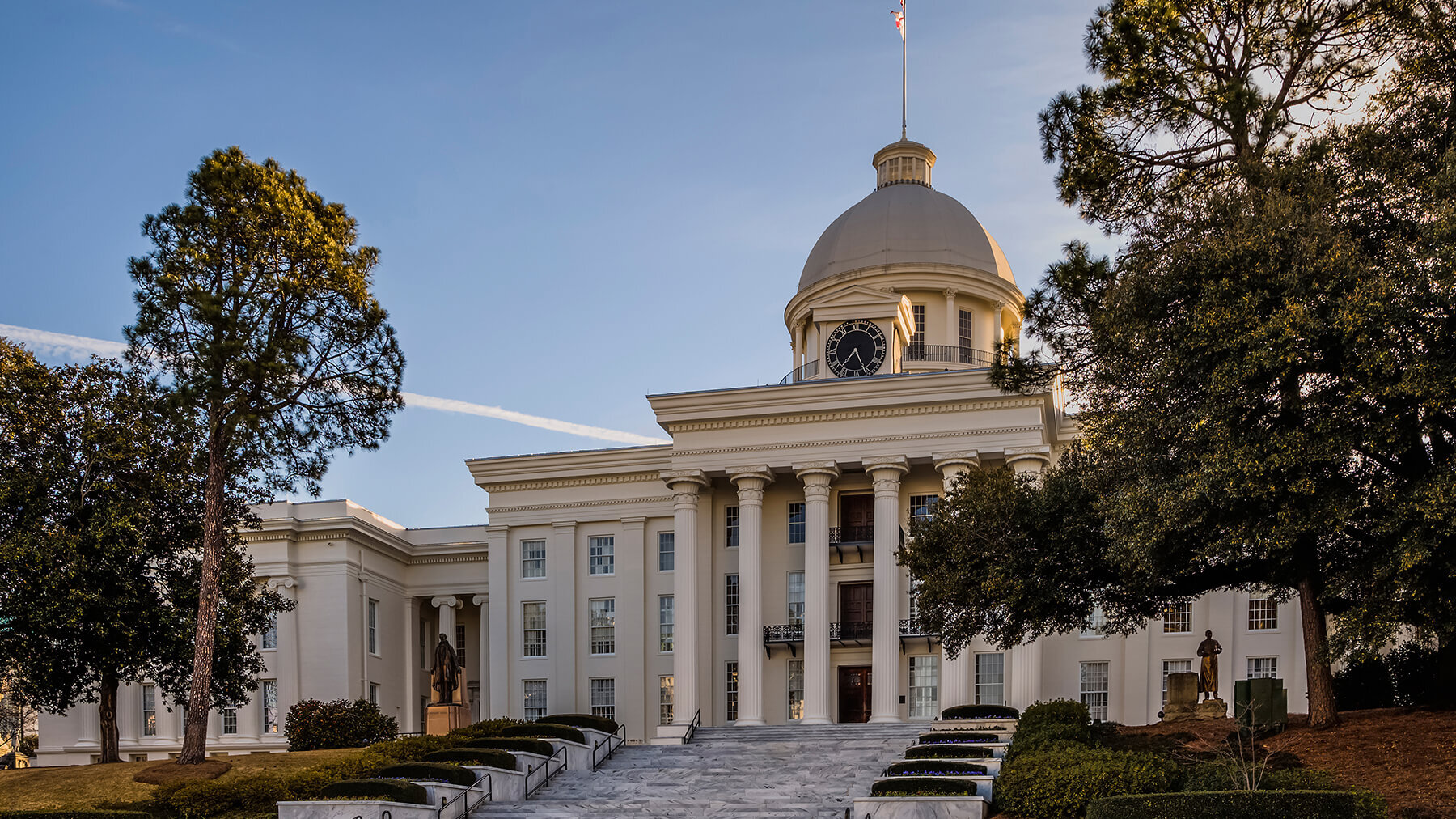
The Alabama State Capitol and Capitol Hill
The Alabama State Capitol is the white-domed anchor at the top of Dexter Avenue. Tours take you through grand staircases, legislative chambers, and hallways that have seen the state evolve in messy, complicated ways. Outside, the grounds collect monuments from different eras. Recent additions, like statues honoring Rosa Parks and Helen Keller, add layers to what the lawn represents.
Even if politics isn’t your interest, the building’s vantage point is worth your time. Stand on the steps and look down Dexter: you can trace your walking route like a line through the city’s conscience.
Nearby, the Governor’s Mansion sits behind magnolias and ironwork, and the surrounding neighborhood is ideal for a slow architectural stroll.
Museums Beyond the Movement
Montgomery’s museums don’t stop at civil rights. If you’re curious about art, literature, or the broader sweep of Alabama life, the city rewards you.
Museum of Alabama (Alabama Department of Archives & History)
Set downtown, this museum is free and surprisingly engaging. Exhibits sweep from Indigenous history through natural history, state politics, and cultural life. The design balances artifacts with interactive stations, making it enjoyable even if you’re not a “read every plaque” type.
Montgomery Museum of Fine Arts (MMFA)
Located in Blount Cultural Park, MMFA holds a serious collection for a mid-size city: American art, regional Southern work, European prints, sculpture, and rotating exhibitions. The museum’s layout is welcoming—light-filled, easy to navigate, not intimidating.
The experience is twofold: inside galleries that invite quiet focus, and outside in the park’s sculpture trails and lakeside paths.
The Scott & Zelda Fitzgerald Museum
In a residential house in Cloverdale, this museum is small but rich with atmosphere. F. Scott and Zelda lived here briefly, and the rooms still feel like a creative pause in motion. You’ll see personal items, letters, period furnishings, and a soft sense of early 20th-century restlessness.
It’s a perfect one-hour stop, especially paired with coffee and a neighborhood walk.
Hank Williams Museum
Country music fans, this is your pilgrimage. The museum holds stage suits, guitars, photos, handwritten lyrics, and Williams’ iconic baby-blue Cadillac. Even if you don’t know his catalog, the museum is a story about fame, vulnerability, and the way a city keeps listening to someone who left too early.
Old Alabama Town
This living-history district preserves 19th-century structures—cabins, a schoolhouse, a tavern, gardens, workshops—spread across shaded blocks. The best way to experience it is to slow your pace, go building by building, and notice the domestic details: porch widths, window placements, how rooms align. It’s a physical reminder that history was once daily life.
Blount Cultural Park: A Full Afternoon in One Green Space
If you need a reset from downtown intensity, drive ten minutes to Wynton M. Blount Cultural Park. It’s sprawling and relaxed, with lakes, trails, a natural amphitheater, and families spread out across the grass. You can:
- Walk the loops around the water.
- Visit MMFA.
- Catch a show at Alabama Shakespeare Festival.
- Sit in the Shakespeare Garden and read for a while.
- Let kids burn energy at playgrounds or open lawns.
Blount Cultural Park is the city’s best example of cultural life and outdoor life sharing the same address.
Alabama Shakespeare Festival: A Night That Feels Bigger Than the City
The Alabama Shakespeare Festival (ASF) is one of the largest Shakespeare festivals in the world, with a professional company and a season that mixes classics, new works, and family-friendly productions. Even if you’re not a theater regular, it’s worth going.
There’s something quietly thrilling about sitting in a world-class performance in Montgomery, watching the audience respond as one. Shows are staged in a modern theater complex right across the lake from MMFA, so you can build a day that flows from art galleries to curtain call.
Dress is whatever you want it to be. Some people arrive in jeans. Others make it a full night out. The point is showing up.
Riverfront Nights: Baseball, Boats, and Long Evenings
Montgomery’s riverfront is where the city loosens its tie.
Montgomery Biscuits at Riverwalk Stadium
Yes, the team name is delightful. But the experience is genuinely great: a compact, friendly ballpark in a converted train-shed structure, with views of downtown and easy access to the Riverwalk. Minor league games here feel like community gatherings—kids chasing foul balls, couples sharing nachos, locals hollering advice to batters like they’re family.
Even if you don’t follow baseball, the stadium is one of the best night-out formats in the city: affordable, open-air, and full of easy conversation.
Harriott II Riverboat
Docked at the riverfront, the Harriott II is a throwback paddlewheel boat offering sightseeing and dinner cruises. At dusk, when the river turns coppery, being on the water makes Montgomery feel expansive.
Choose a simple sightseeing cruise if you want quiet and views, or a dinner cruise if you’re in the mood for live music and a more social vibe.
Riverwalk Amphitheater
Check what’s on when you’re in town. The amphitheater hosts concerts, festivals, and seasonal events that bring the riverfront alive. Even when nothing’s scheduled, the space is worth a stroll.
Montgomery Whitewater: Adventure on the City’s Edge
Most people don’t expect a full-scale whitewater and outdoor adventure park in Alabama’s capital. Montgomery Whitewater proves expectation is not a plan.
This purpose-built facility offers:
- Whitewater rafting for first-timers and experienced paddlers.
- Kayaking and tubing options.
- Ropes courses and zip lines overhead.
- Mountain biking and trail running paths around the complex.
- A casual restaurant and outdoor hangout spaces.
If you’re traveling with a group that has mixed interests, this is a gift: some can raft, some can lounge, some can hike, and you all meet back up for lunch. It’s active, modern Montgomery with a loud heartbeat.
Tip: Book water activities ahead on weekends. If you’re new to rafting, tell staff—they’re good at matching you to the right course.
Parks and Outdoor Breaks Inside the City
Montgomery has a lot of green space, and using it well changes how your days feel.
Lagoon Park Trail
This trail network winds through a large city park with both multi-use paths and narrower woodland track. You’ll see cyclists, dog walkers, runners, and birders. It’s a good morning option before the heat sets in, and it gives you a local view of daily life.
Oak Park
Near Cloverdale, Oak Park is a shaded neighborhood retreat with just enough hills to make a walk feel real. If you’re staying midtown, it’s an easy stroll with a coffee in hand.
Alabama Nature Center
Located at Lanark, the Nature Center offers wetlands, boardwalks, and gentle trails. It’s low-key, family-friendly, and a solid way to spend a quiet half-day if you’ve been museum-heavy.
Riverfront strolls
Sometimes the simplest outdoor plan is the best one. Put on sneakers, walk the Riverwalk in the early evening, and let the air and water do their own kind of therapy.
Montgomery Zoo and Mann Wildlife Learning Museum
The Montgomery Zoo is a classic, family-centered attraction with surprising depth. It’s home to hundreds of animals across multiple habitats, including a sizable Africa exhibit. Kids can do animal encounters like giraffe feeding, while adults enjoy the shaded walking loops.
On-site, the Mann Wildlife Learning Museum complements the zoo with taxidermy and wildlife education focused on North American species. It’s cool, quiet, and a welcome break during hot months.
If you’re traveling with children, plan a full morning here. If you’re not, it’s still a pleasant two-hour escape into a different kind of storytelling.
Eat Like You’re in Montgomery (Because You Are)
Montgomery’s food isn’t about chasing trends. It’s about places that mean something to locals, plus a growing number of newer spots that feel rooted rather than imported.
Here’s how to build your meals.
Start with a Downtown Coffee
- Prevail Union is downtown’s standout café. It’s the kind of place where you can sit alone without feeling lonely, or strike up a conversation with a stranger who turns out to be a city planner, a teacher, or a musician.
Order whatever looks good; the coffee program is serious, and pastries are a quiet flex.
Lunches That Fit Between Museums
Downtown and midtown lunches skew casual:
- Meat-and-three cafés and sandwich spots that let you eat quickly but well.
- Tacos and global bites tucked into unassuming storefronts.
- Outdoor patios when the weather is kind.
If you’re at MMFA, the museum café is lovely for a light lunch: salads, sandwiches, quiche, and a calm view of the park.
Barbecue, Because Alabama
Montgomery doesn’t treat barbecue like a trend. It’s a routine.
Look for:
- Smoked ribs with a slow chew and a peppery bark.
- Pulled pork sandwiches that drip a little onto your wrist.
- White sauce or vinegar tang depending on where you go.
You’ll find both historic joints and newer smokehouses. If a local gives you a favorite, follow it.
Dinner with Personality
For a more chef-driven night, downtown and Cloverdale have you covered:
- Seasonal Southern cooking with thoughtful plating.
- Comfort food done carefully, not nostalgically.
- A few restaurants leaning Mediterranean or global, adding texture to the city’s palate.
Make reservations on weekends; the dining scene isn’t huge, and good tables fill fast.
Drinks After Dark
- Common Bond Brewers is downtown’s production brewery in a historic brick space—bright, social, and unpretentious.
- Bars along the entertainment corridor range from low-lit cocktail rooms to lively patios.
If you want a quieter night, grab a drink in Cloverdale and walk it off under porch lights.
Shopping, Markets, and Walking Streets
Montgomery isn’t a shopping capital, but it’s a good browsing city.
Downtown boutiques and galleries
Small shops downtown favor local makers: art prints, Alabama-themed textiles, handmade jewelry, and gifts that don’t feel like airport souvenirs.
EastChase
If you want mainstream shopping—chains, big-box stores, malls—EastChase delivers. It’s also good for last-minute travel needs.
Farmers markets
Seasonal markets pop up around town with produce, baked goods, honey, flowers, and food trucks. Even if you don’t buy much, they’re a cheerful way to spend a morning.
Suggested Itineraries (Mix and Match)
Two Days in Montgomery
Day 1: Downtown, Riverfront, and a Night Out
- Morning: Dexter Avenue walk, Capitol viewpoint.
- Late morning: Rosa Parks Museum or Freedom Rides Museum.
- Lunch downtown.
- Afternoon: Riverwalk + Riverfront Park.
- Evening: Biscuits game or Harriott II cruise.
- Nightcap at Common Bond Brewers or a downtown bar.
Day 2: Legacy Sites + Light Recovery
- Morning through early afternoon: Legacy Museum, then National Memorial for Peace and Justice.
- Late afternoon: quiet walk at Blount Cultural Park or Riverwalk to decompress.
- Dinner in Cloverdale or downtown.
Three to Four Days
Add:
- MMFA + Blount Cultural Park afternoon.
- Alabama Shakespeare Festival night.
- Old Alabama Town + Hank Williams Museum.
- Montgomery Whitewater day.
- Zoo morning if you’re with kids.
Day Trips that Pair Well with Montgomery
If you’ve got extra time and a car, Montgomery is a good base for short regional swings:
- Selma (about 1 hour): bridge walk, museums, and a continuation of civil rights travel.
- Wetumpka (about 25 minutes): river town with shops, trails, and waterfall parks.
- Prattville (about 20 minutes): a coffee-and-stroll detour with a sweet historic core.
These trips deepen your sense of the River Region without exhausting you.
Practical Travel Tips You’ll Be Glad You Read
- Start early in summer. The city rewards morning walkers; afternoons are for indoor visits.
- Hydrate intentionally. Museums and memorial grounds can be emotionally and physically intense.
- Check hours before you go. Smaller museums and seasonal attractions occasionally adjust schedules.
- Respect reflection spaces. The Legacy Sites and memorials are living places of mourning and learning, not photo backdrops.
- Be curious with locals. Montgomery residents are honest and warm. Ask where they eat, what they’re proud of, what’s changing. The answers will shape your trip.
Why Montgomery Stays With You
Montgomery is not a city you “do” once and forget. It presses gently on your awareness in ways that last. You’ll remember the quiet inside the Legacy Museum. You’ll remember a baseball crowd cheering like they mean it. You’ll remember the river at dusk and how the city’s lights break into slow gold on the water.
And maybe, on your last morning, you’ll find yourself doing something small and completely unplanned—walking Dexter one more time, buying a second coffee, stepping into a gallery you hadn’t noticed. That’s usually how Montgomery says goodbye: by giving you a reason to come back.
References
- EJI Legacy Sites – Visitor Information
https://legacysites.eji.org/visit/ - EJI Legacy Sites – Official Website
https://legacysites.eji.org/ - Experience Montgomery – Civil Rights History
https://experiencemontgomeryal.org/things-to-do/museums-history/civil-rights-history/ - Riverfront Park – Experience Montgomery
https://experiencemontgomeryal.org/things-to-do/attractions/downtown-riverwalk/riverfront-park/ - Harriott II Riverboat – Fun in Montgomery
https://www.funinmontgomery.com/riverboat/harriott-ii-riverboat - River Cruises – Experience Montgomery
https://experiencemontgomeryal.org/things-to-do/attractions/downtown-riverwalk/river-cruises/ - Montgomery Biscuits Baseball – MiLB
https://www.milb.com/montgomery - Montgomery Riverwalk Stadium – Fun in Montgomery
https://www.funinmontgomery.com/Home/Components/FacilityDirectory/FacilityDirectory/221/3055 - Montgomery Whitewater – Official Site
https://montgomerywhitewater.com/ - Montgomery Museum of Fine Arts (MMFA)
https://mmfa.org/ - Blount Cultural Park – MMFA
https://mmfa.org/visit/plan-your-visit/blount-cultural-park/ - Alabama Shakespeare Festival – Official Site
https://asf.net/ - Alabama Shakespeare Festival – Wikipedia
https://en.wikipedia.org/wiki/Alabama_Shakespeare_Festival - Montgomery Zoo – Wikipedia
https://en.wikipedia.org/wiki/Montgomery_Zoo - Montgomery Zoo – Mann Wildlife Museum
https://www.montgomeryzoo.com/mann-museum/the-mann-museum - Old Alabama Town – Tours & History
https://touroldalabamatown.com/ - Hank Williams Museum – Official Site
https://www.thehankwilliamsmuseum.net/ - Alabama Department of Archives & History – Visit Info
https://archives.alabama.gov/visit/ - Alabama Archives – Self-Guided Tours
https://www.archives.state.al.us/visit/tours/self-guided.aspx - The Fitzgerald Museum – Montgomery
https://www.thefitzgeraldmuseum.org/ - Common Bond Brewers – Montgomery
https://www.commonbondbrewers.com/ - Prevail Union Coffee – Experience Montgomery
https://experiencemontgomeryal.org/listing/prevail-union/1038/ - Lagoon Park Trail – Experience Montgomery
https://experiencemontgomeryal.org/listing/lagoon-park-trail/972/ - Alabama State Capitol – Alabama.travel
https://alabama.travel/places-to-go/alabama-state-capitol - Old Alabama Town – Alabama.travel
https://alabama.travel/places-to-go/old-alabama-town